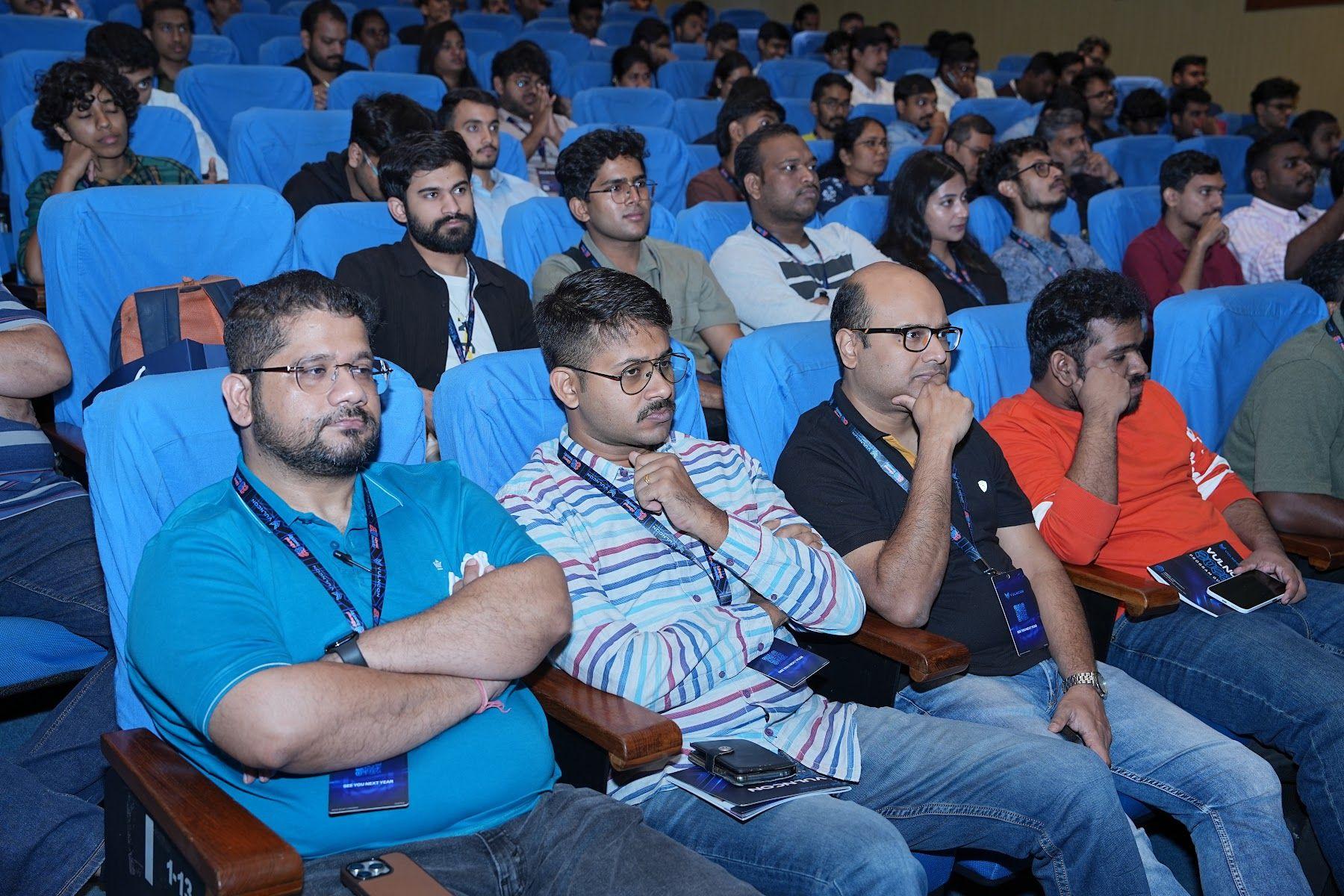
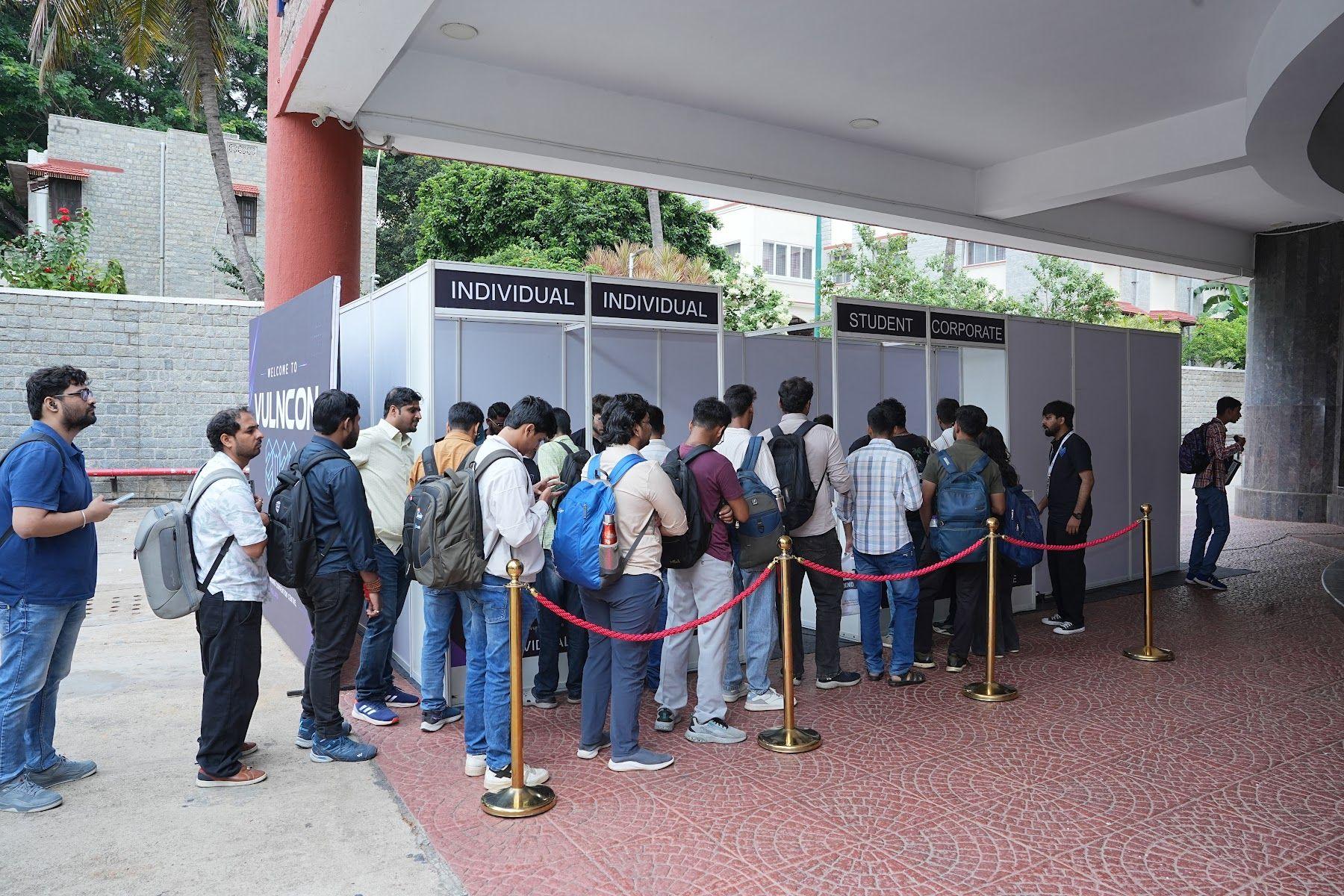
Core research. Offensive security. One community.
An annual conference of original research, live tool demos and hands-on labs — reviewed by practitioners, presented to practitioners.
VULNCON 2027
The Call for Papers is officially open. We welcome original offensive security research, live tool demos, and hands-on workshops.
> status: cfp_open · dates_pending
Submissions are open for Main Stage talks, Arsenal tools, and workshops.
- CFP LIVEVULNCON 2027 Call for Papers is Open — Submit Research & ToolsCloses 28 Jan 2027
- VC26-01Life on the curveRuben Boonen · Keynote
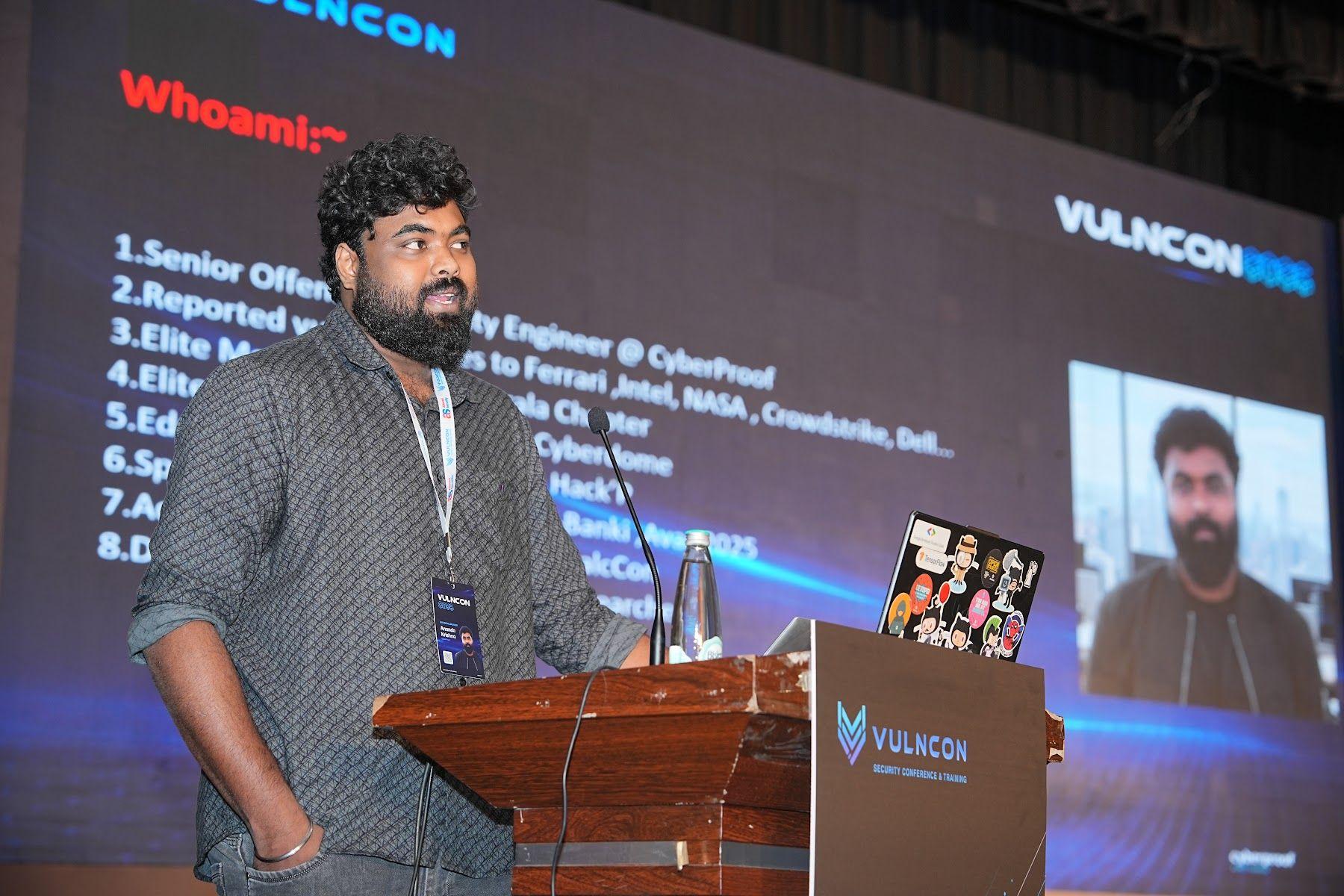
- VC26-06SCANNER DOWN: silencing AMSI past MDE, WDAC & FalconAnanda Krishna
- VC26-08The Sandbox is a Suggestion: escaping Claude Code and Codex CLIElad Meged
- VC26-1128KB to Root: weaponizing NVIDIA’s AI model filesArun Krishnan
- VC26-12Phantom DependenciesSuchith Narayan, Hariprasad Pujari
- VC26-13The Last FirewallHarriet Farlow · Keynote
- VC26-17Ghost in the Pipeline: npm to AI agentsHarish Ravichandra
- VC26-18The Confused Copilot: privilege boundaries in Amazon QRiyaz Walikar
- VC26-20Weaponizing DNS TXT records in fileless attacksSaide Sheikh
 SentinelOne
 Unit 42 · Palo Alto Networks
 MDSec
MDSec Razorpay
 Zoho
Zoho Amazon
 Microsoft
 Adobe
Adobe NetApp
 SAP Labs
 Groww
Groww PhonePe
 Flipkart
 Netskope
 Thales
 CloudSEK
00 — About
Built by the community it serves.
VULNCON is a technical cybersecurity conference for core research, offensive security and practical innovation. Talks come through an open call for papers and are read by an independent review panel.
It started online in 2020 and has met in Bengaluru since 2024 — researchers, practitioners, students and security leaders in the same halls.
- Editions since 2020
- 05
- Main-stage talks, 2026
- 15
- CxO panels, 2026
- 09
- Arsenal tools, 2026
- 06
01 — Who it’s for
Pick your way in.
Your research, in front of people who can break it.
Submit a talk or a tool. Every submission is read by an independent review panel, and accepted work is presented on the Main Stage or at Arsenal.
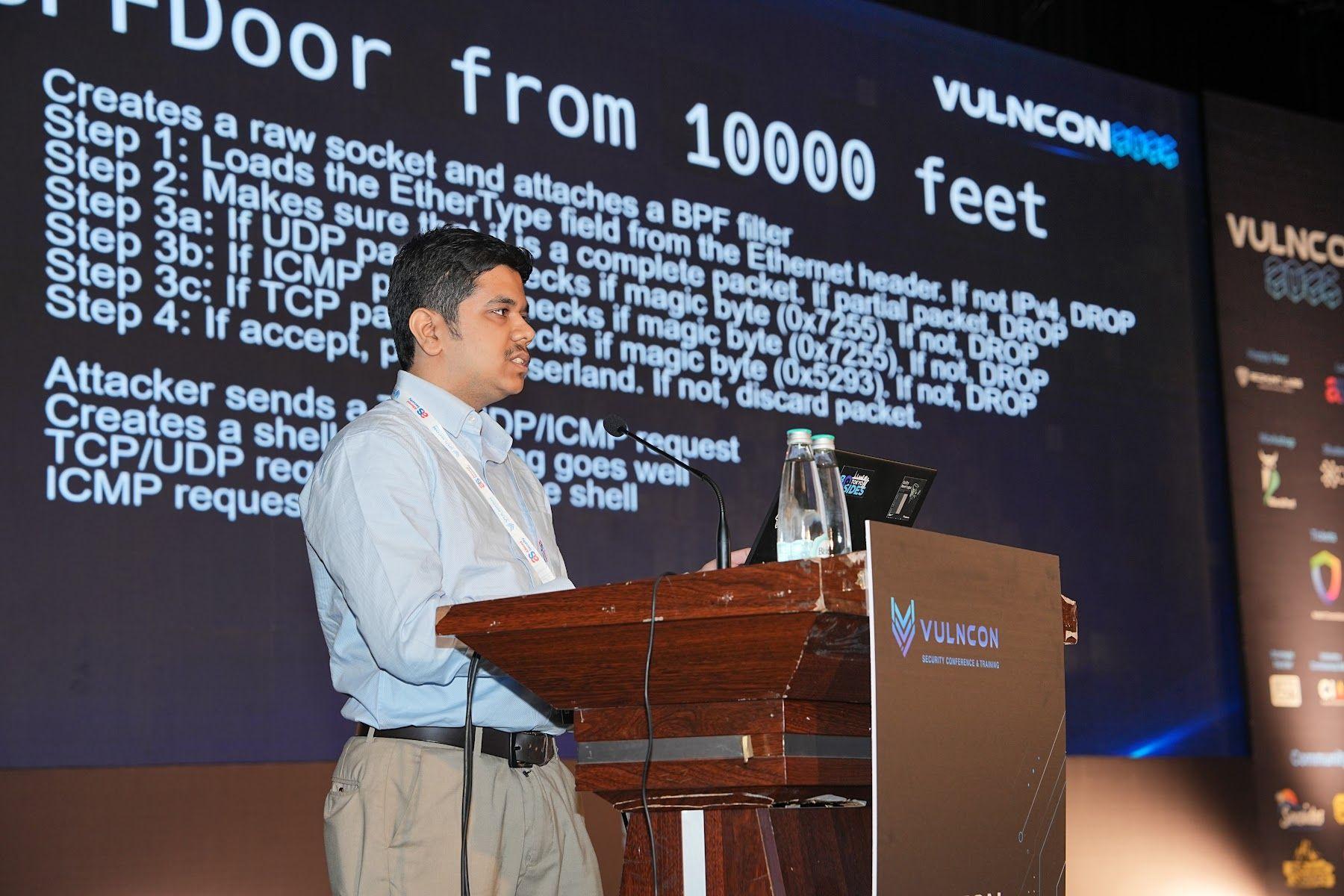
- Talks: 40 minutes on the Main Stage
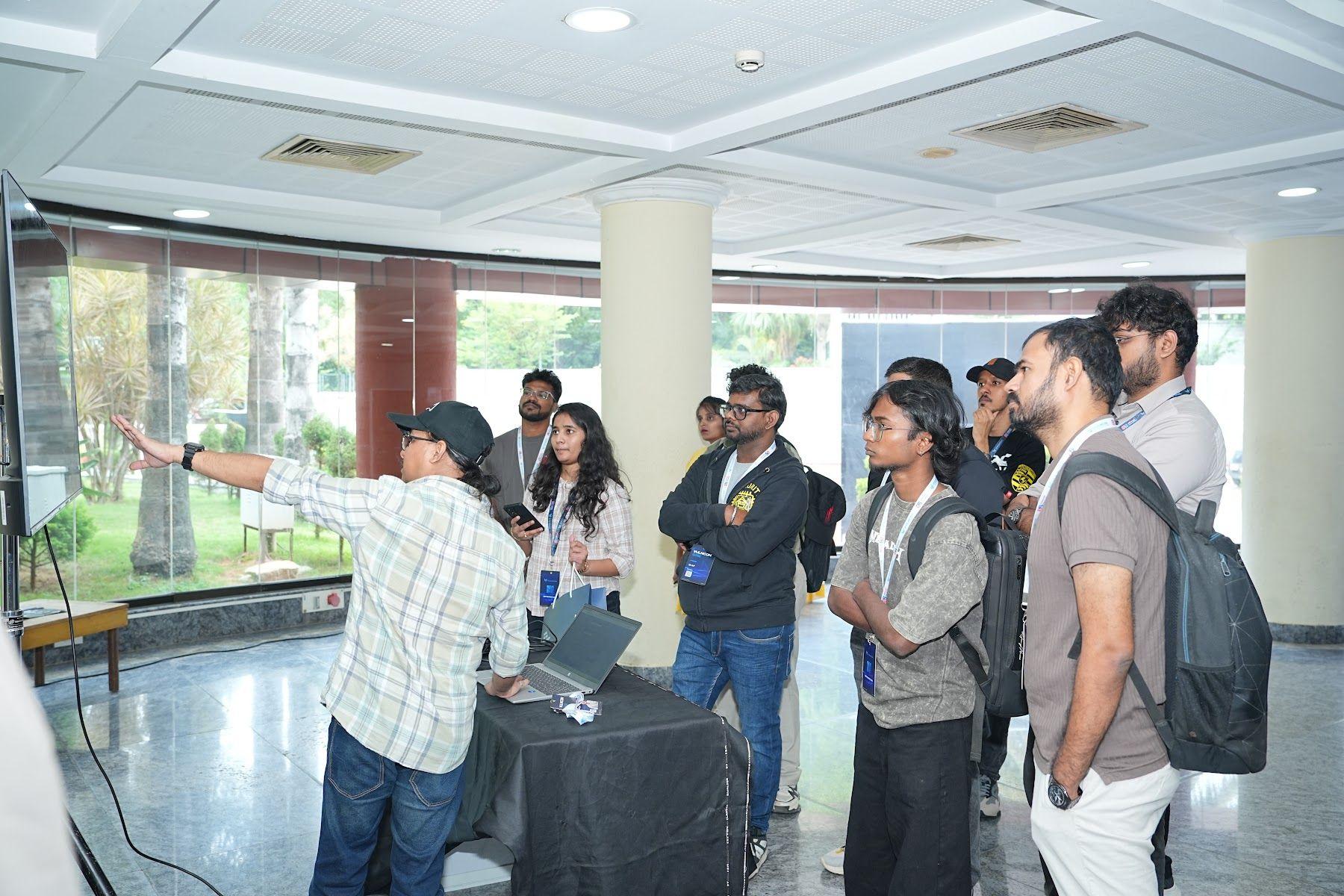
- Arsenal: live tool demos in the open lobby
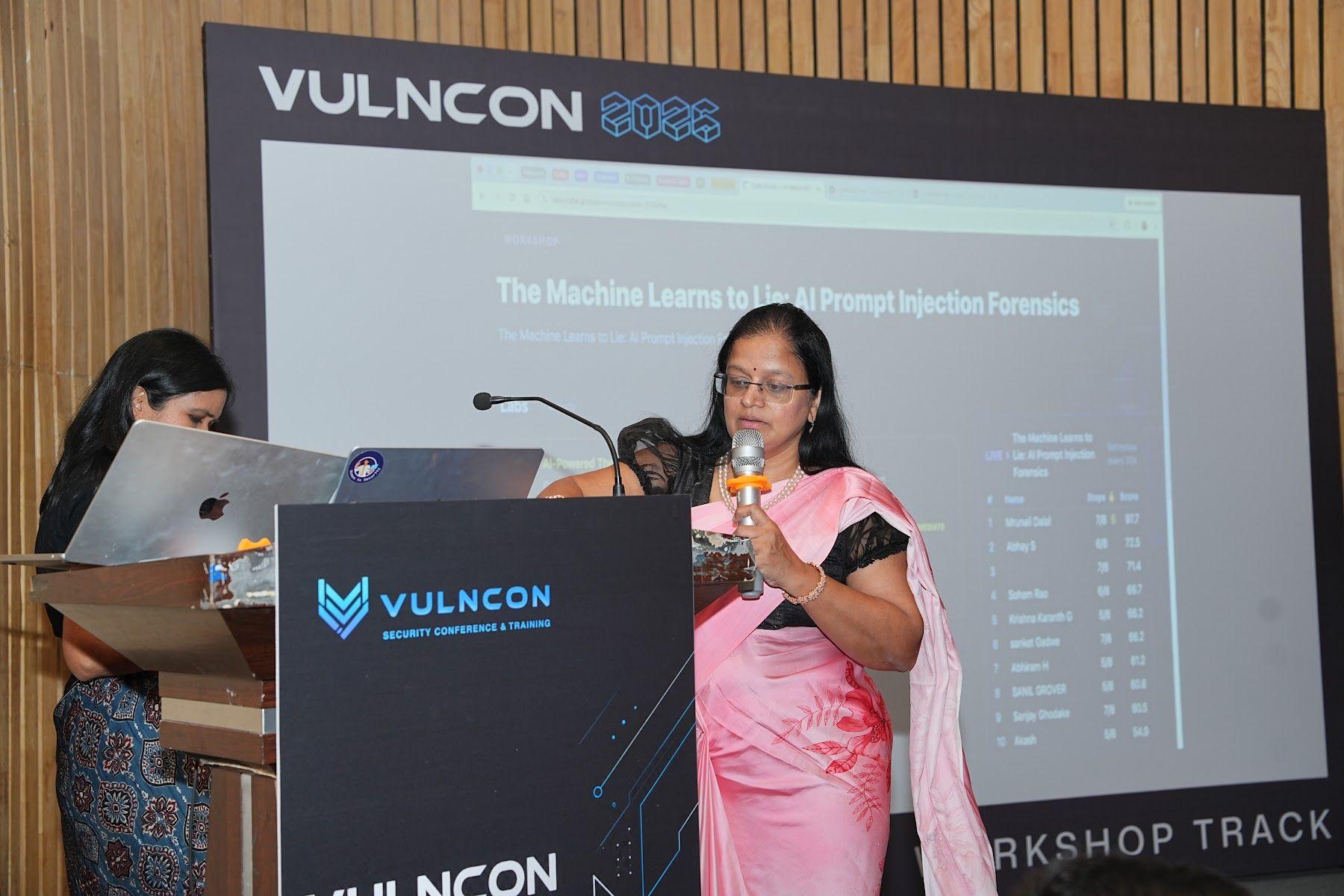
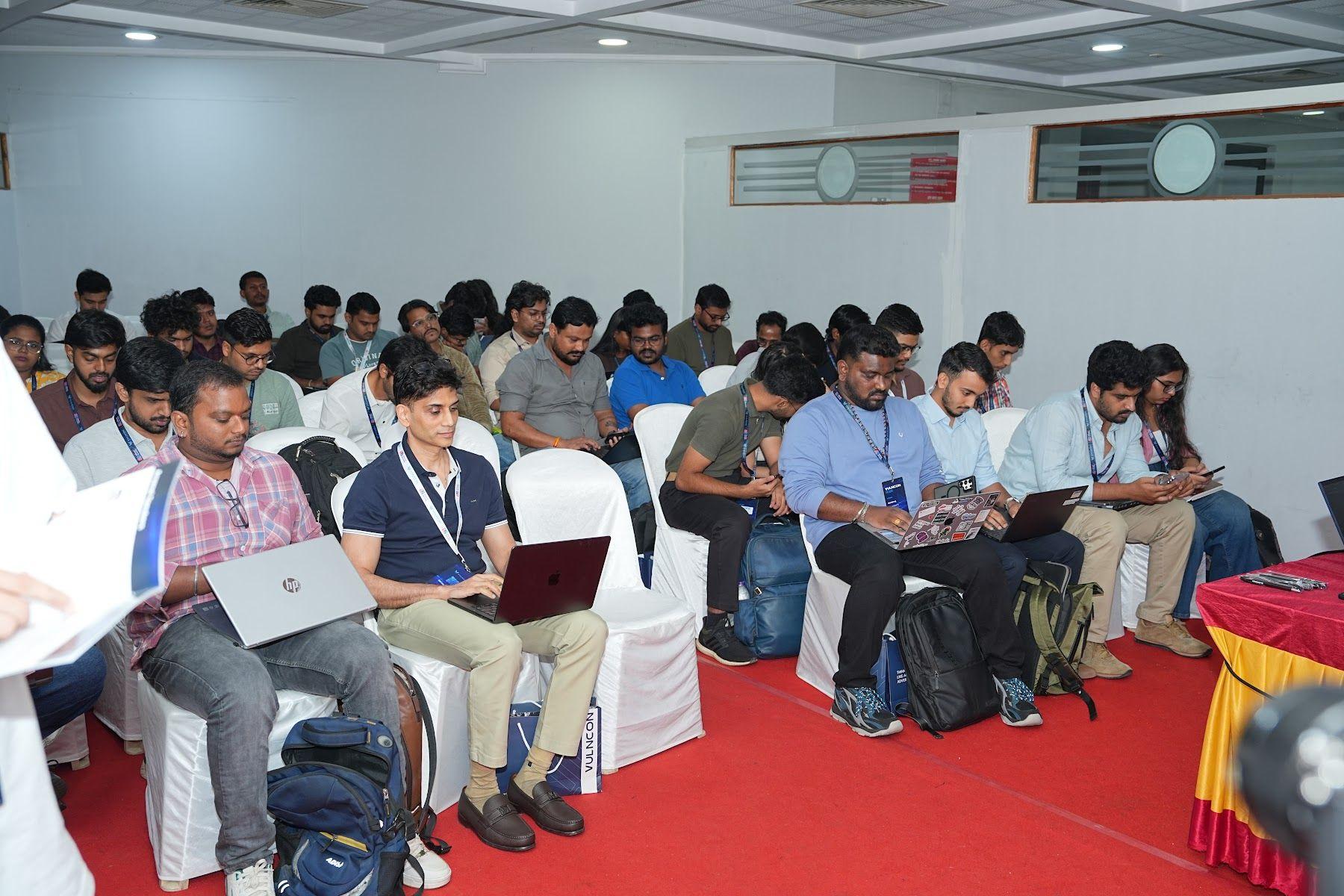
- Workshops: half-day, hands-on, Hall C
- CFP Window: Open now · Closes 28 Jan 2027
02 — What happens at VULNCON
Six tracks, running at once.
Parallel tracks every edition. Pick one stage or move between them — most people do.
03 — Editions
Every edition, on the record.
- 2027VULNCON 2027Dates to be announcedBengaluruIn person · CFP liveCFP Open→
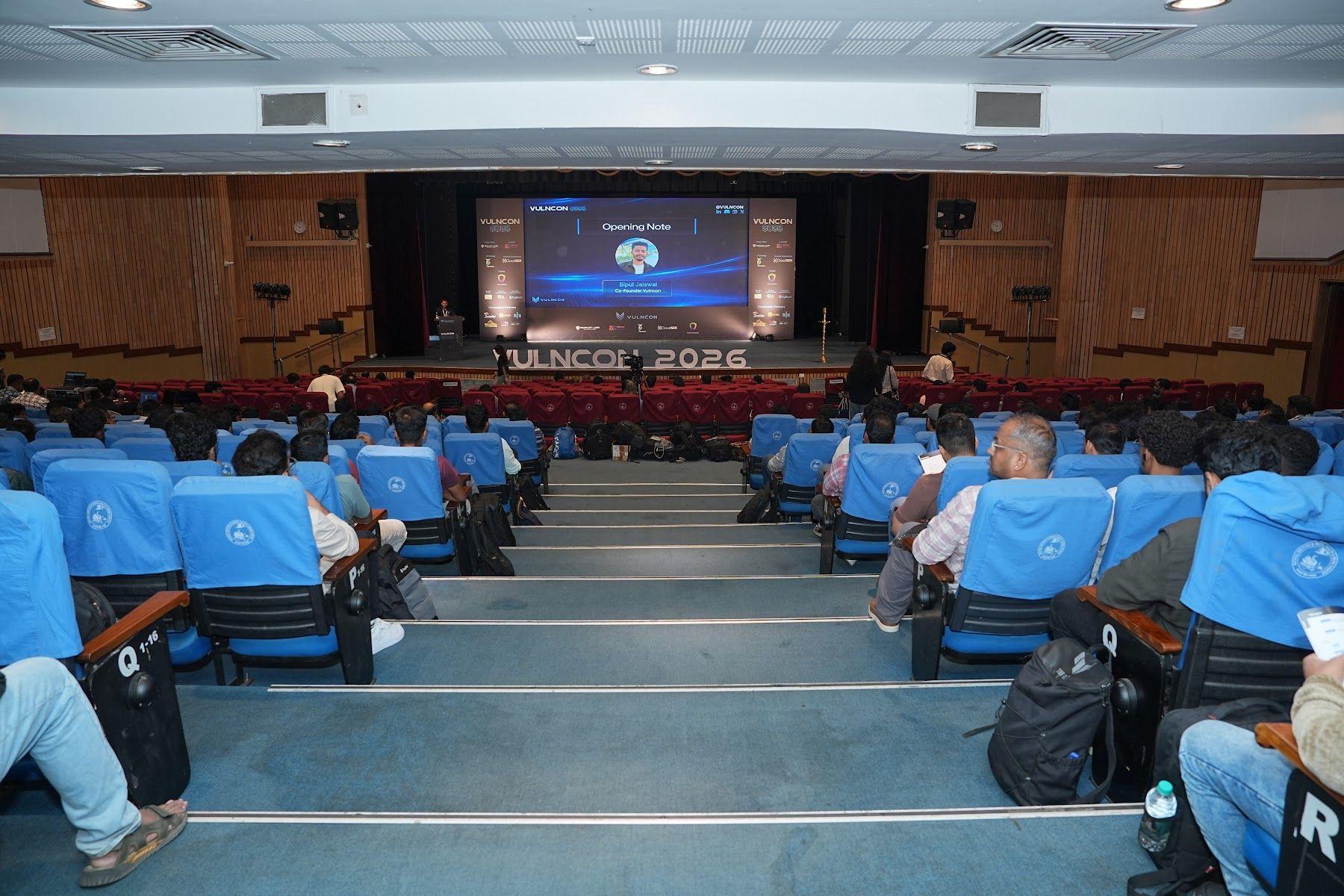
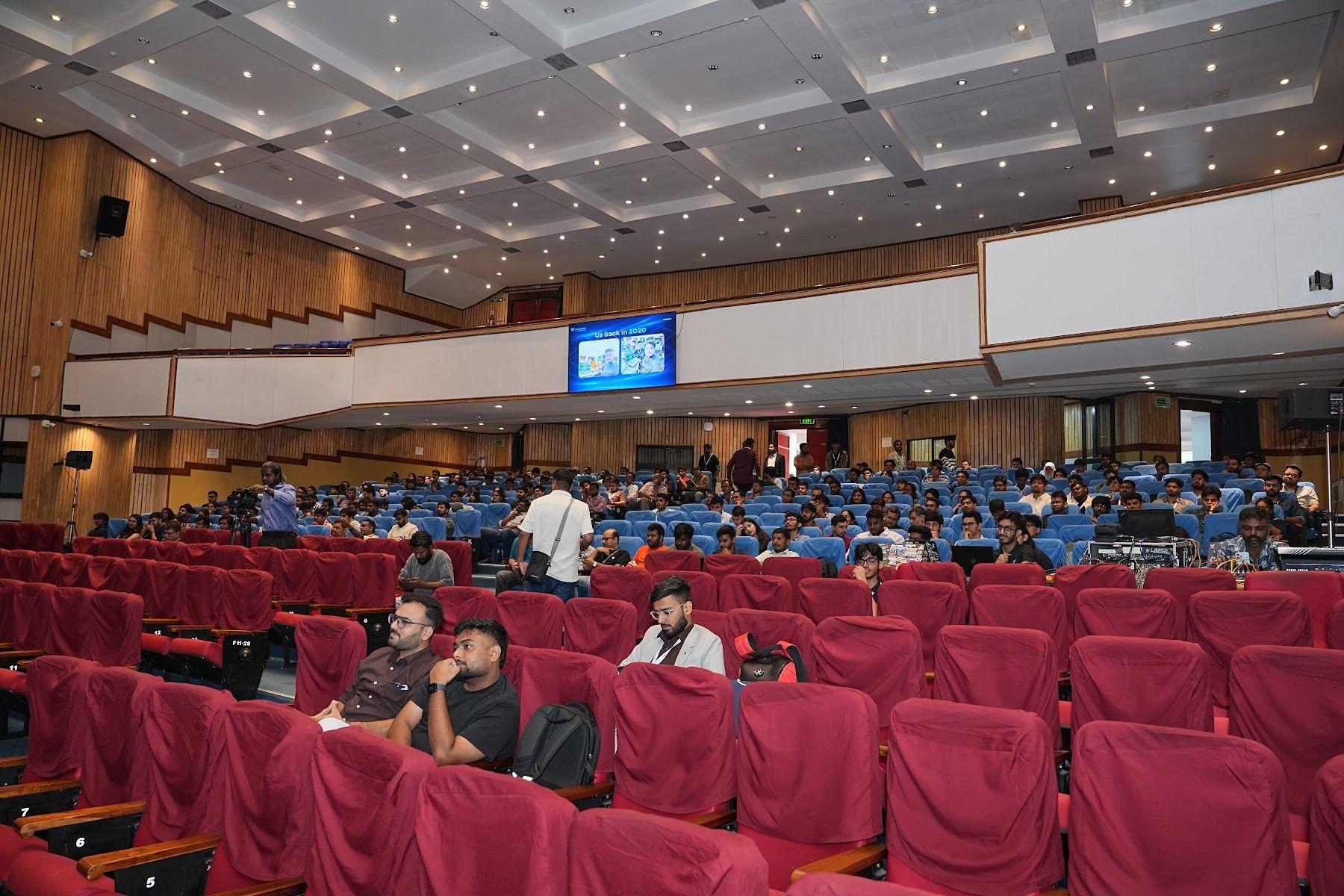
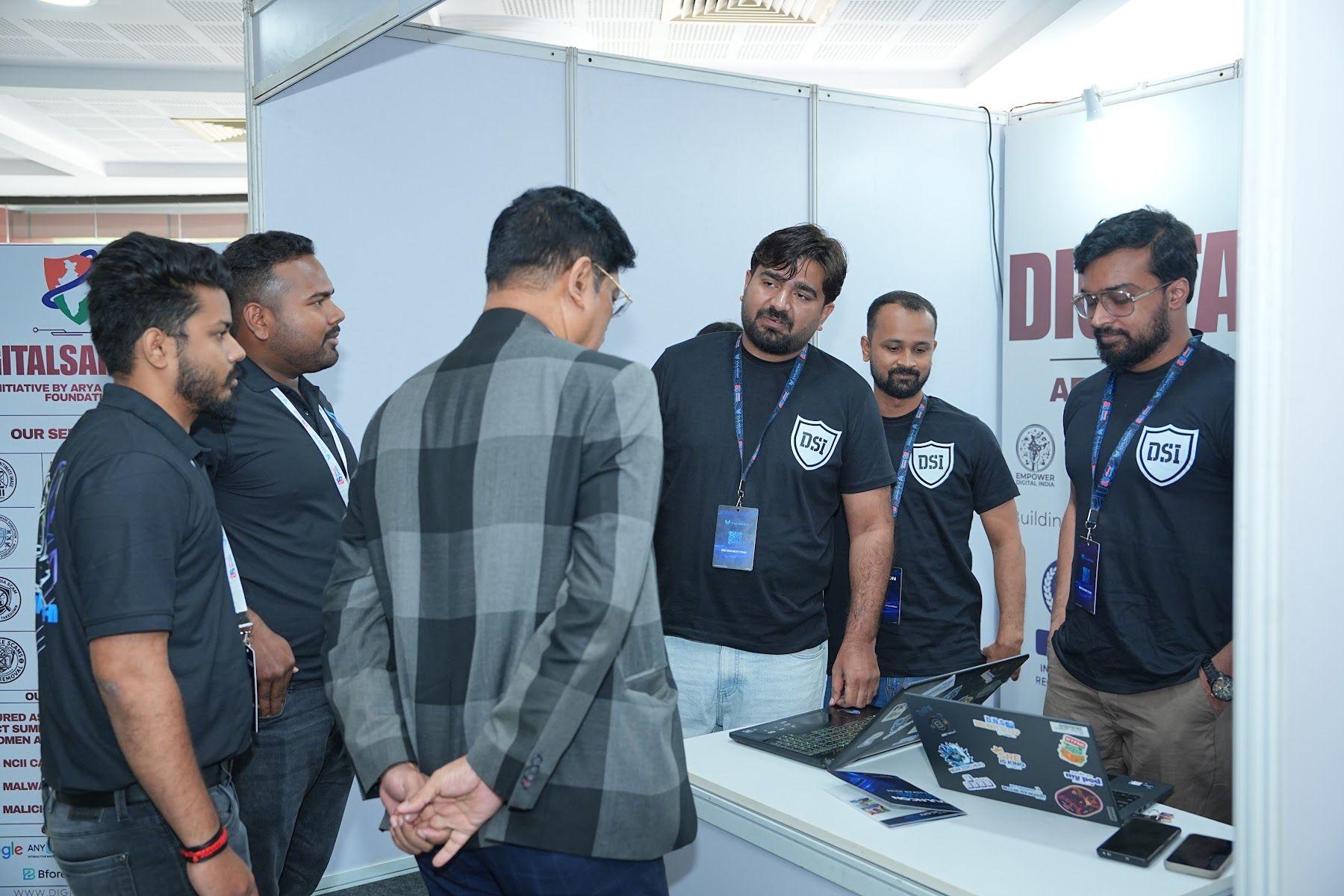
- 2026VULNCON 202612 – 13 Jun 2026NIMHANS Convention Centre5 parallel tracksRecap→
- 2025VULNCON 202514 – 15 Jun 2025NSSC, IISc BengaluruTalks · villages · workshopsArchive→
- 2024VULNCON 202422 – 23 Jun 2024BengaluruTalks · training · villagesArchive→
- 2021VULNCON 20214 – 8 Dec 2021OnlineOnline talksArchive→
- 2020VULNCON 202019 – 22 Dec 2020OnlineFirst editionArchive→
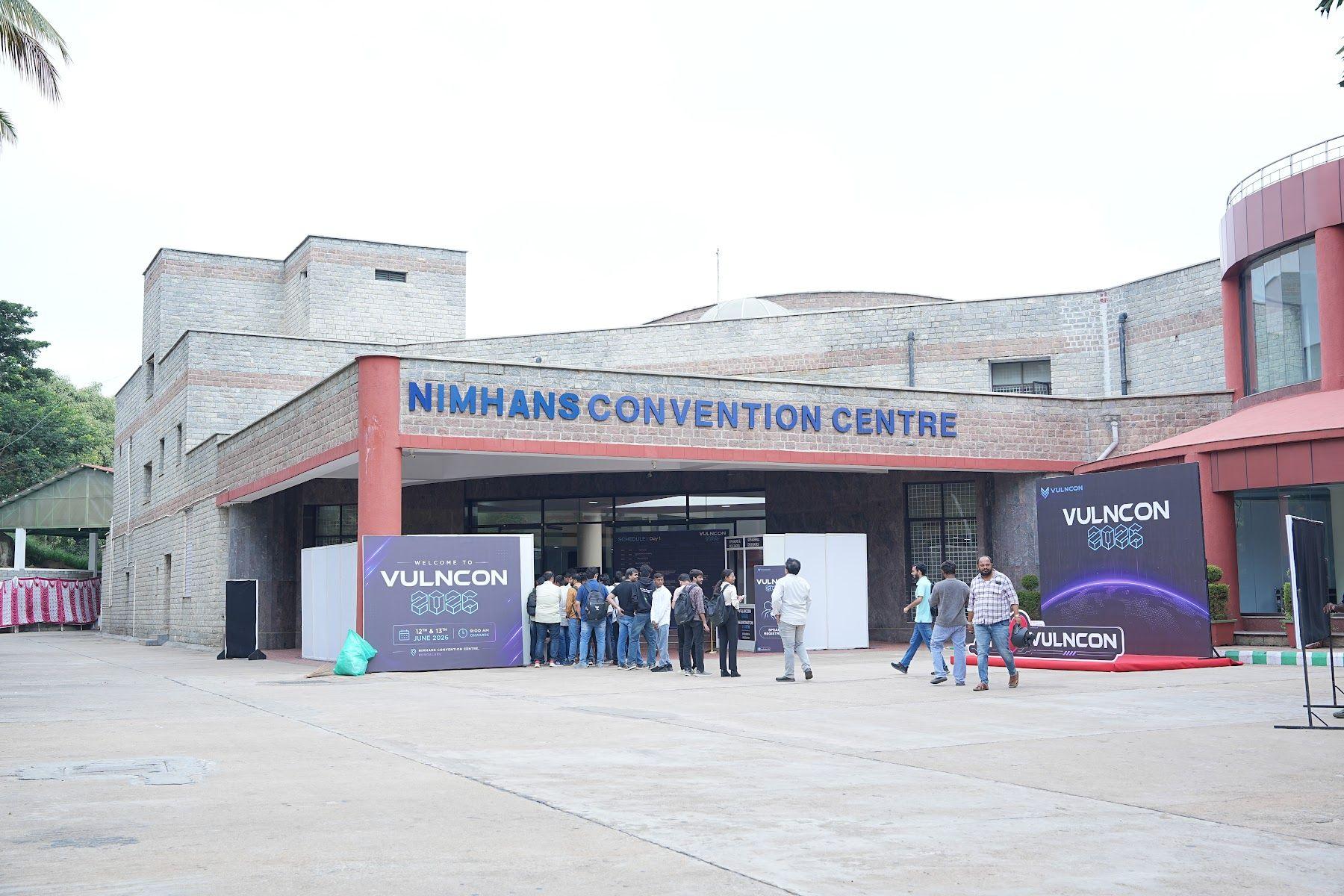
01NIMHANS Convention Centre 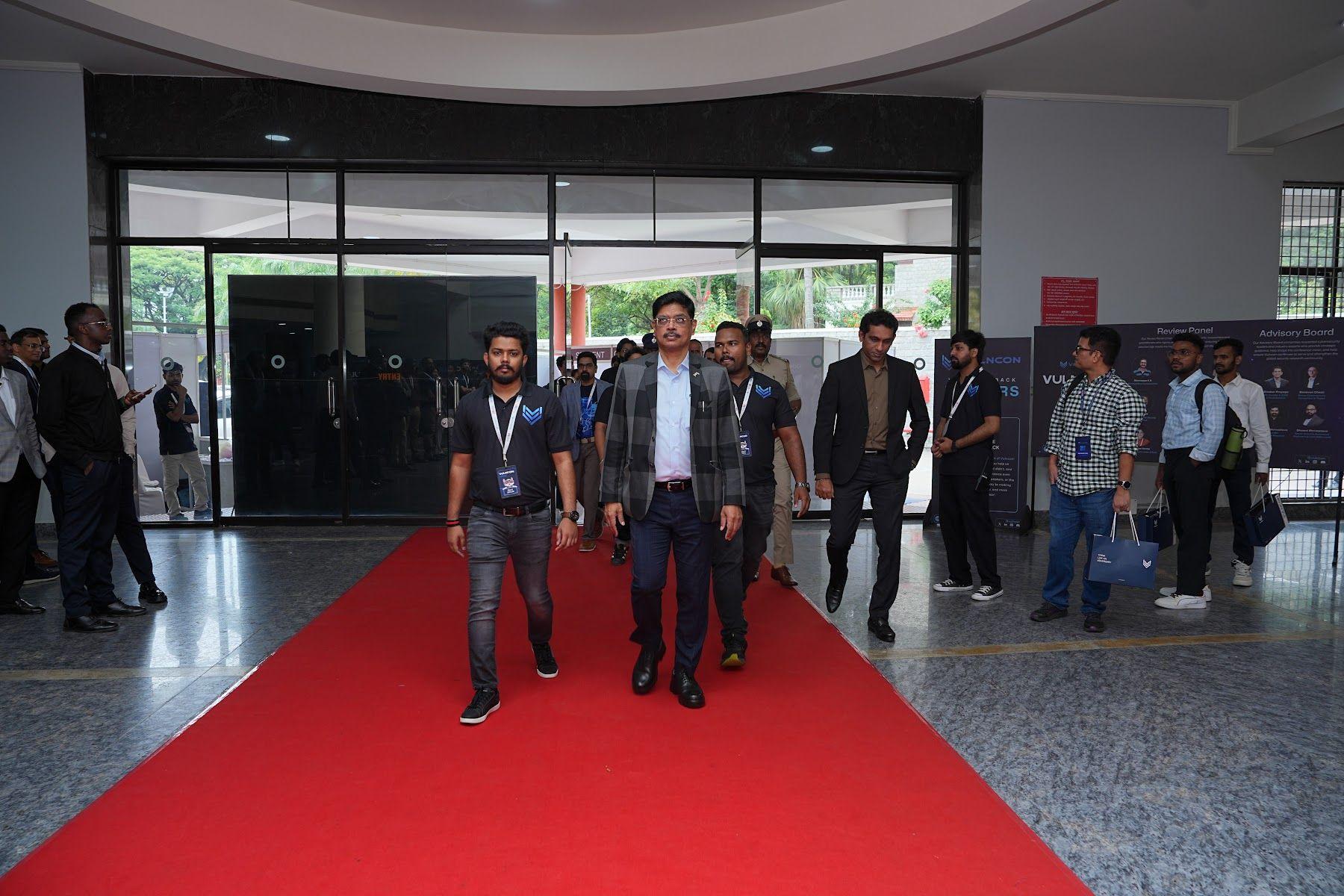
02Doors open · Day 1 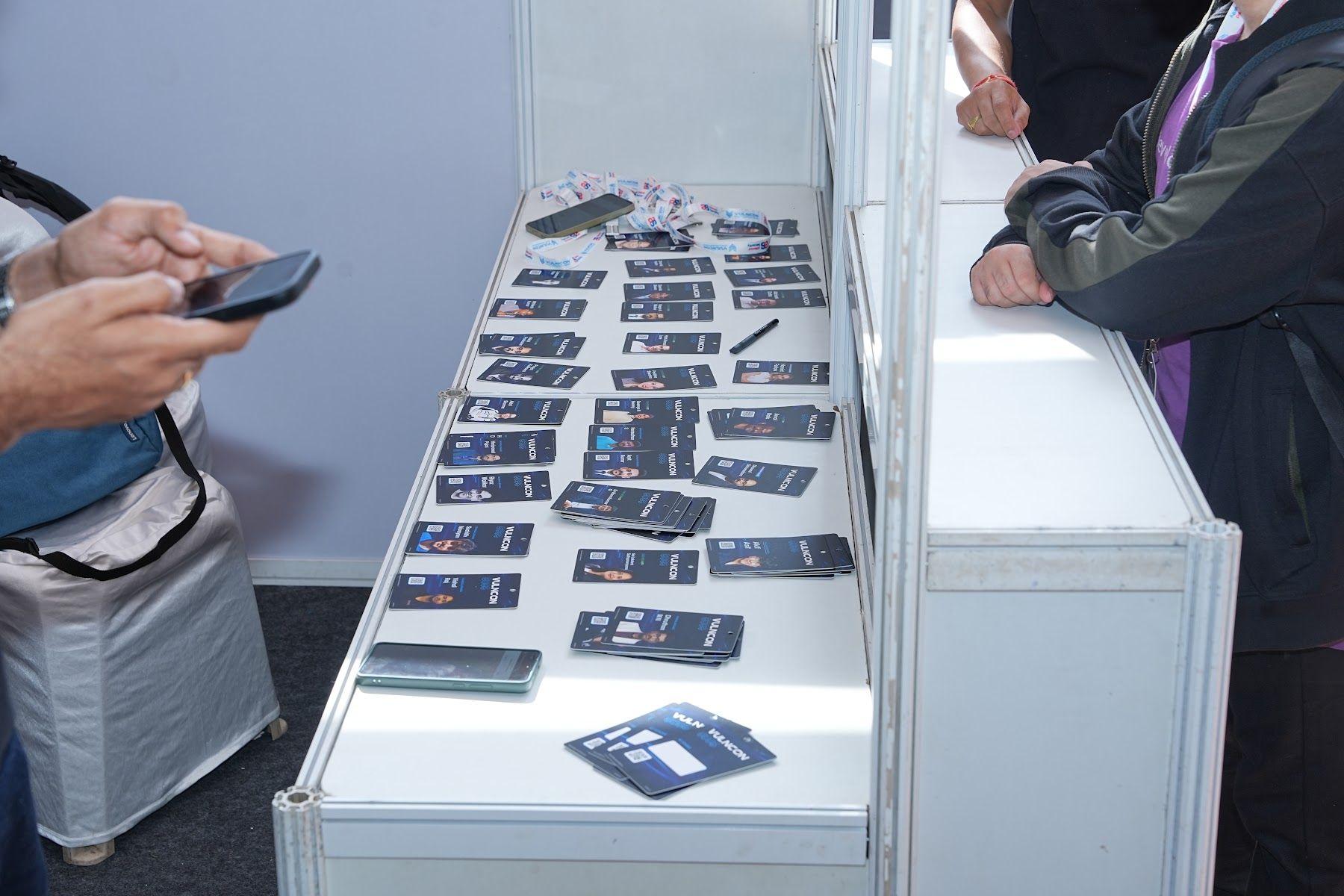
03Badge pickup 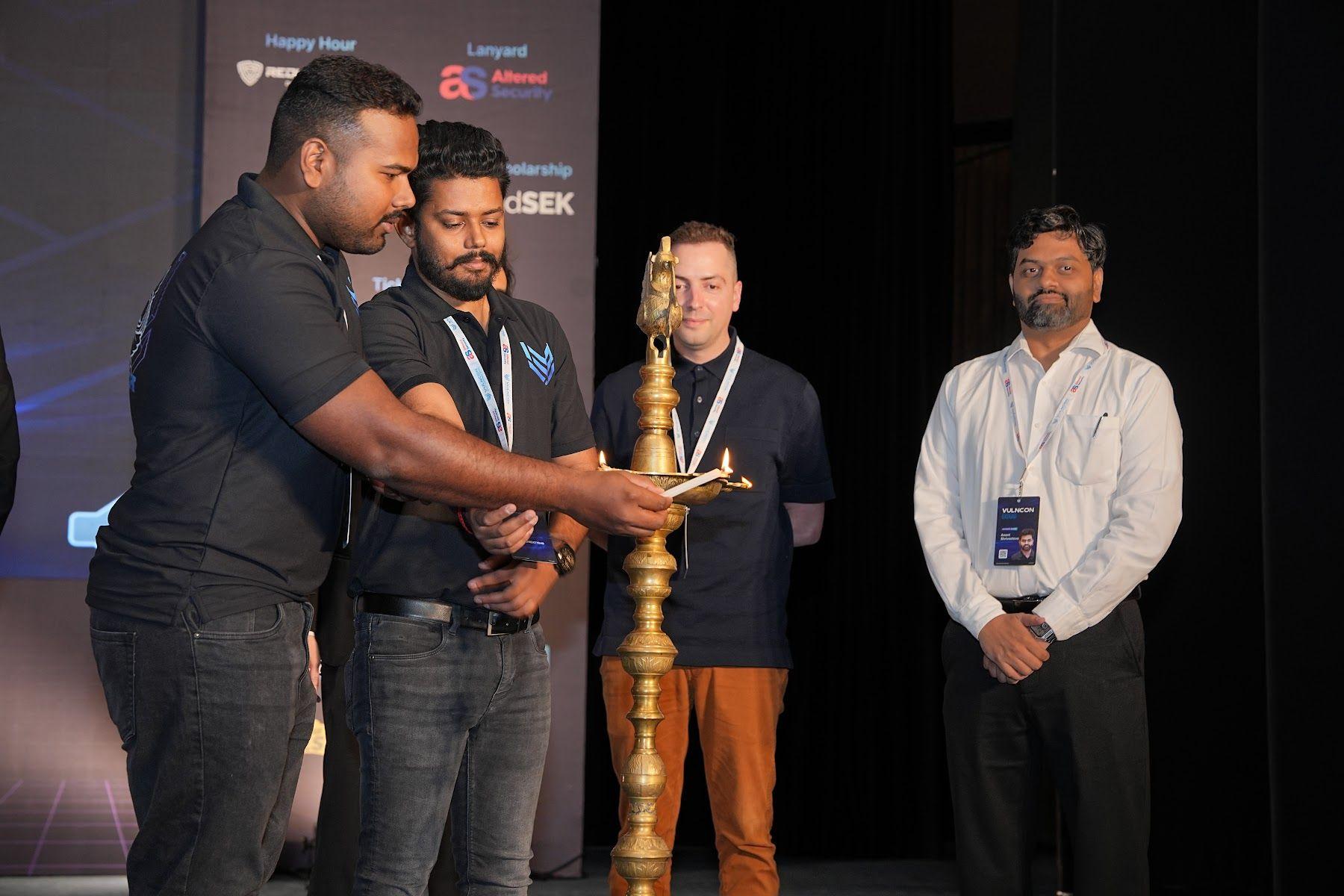
04Lamp lighting · Opening 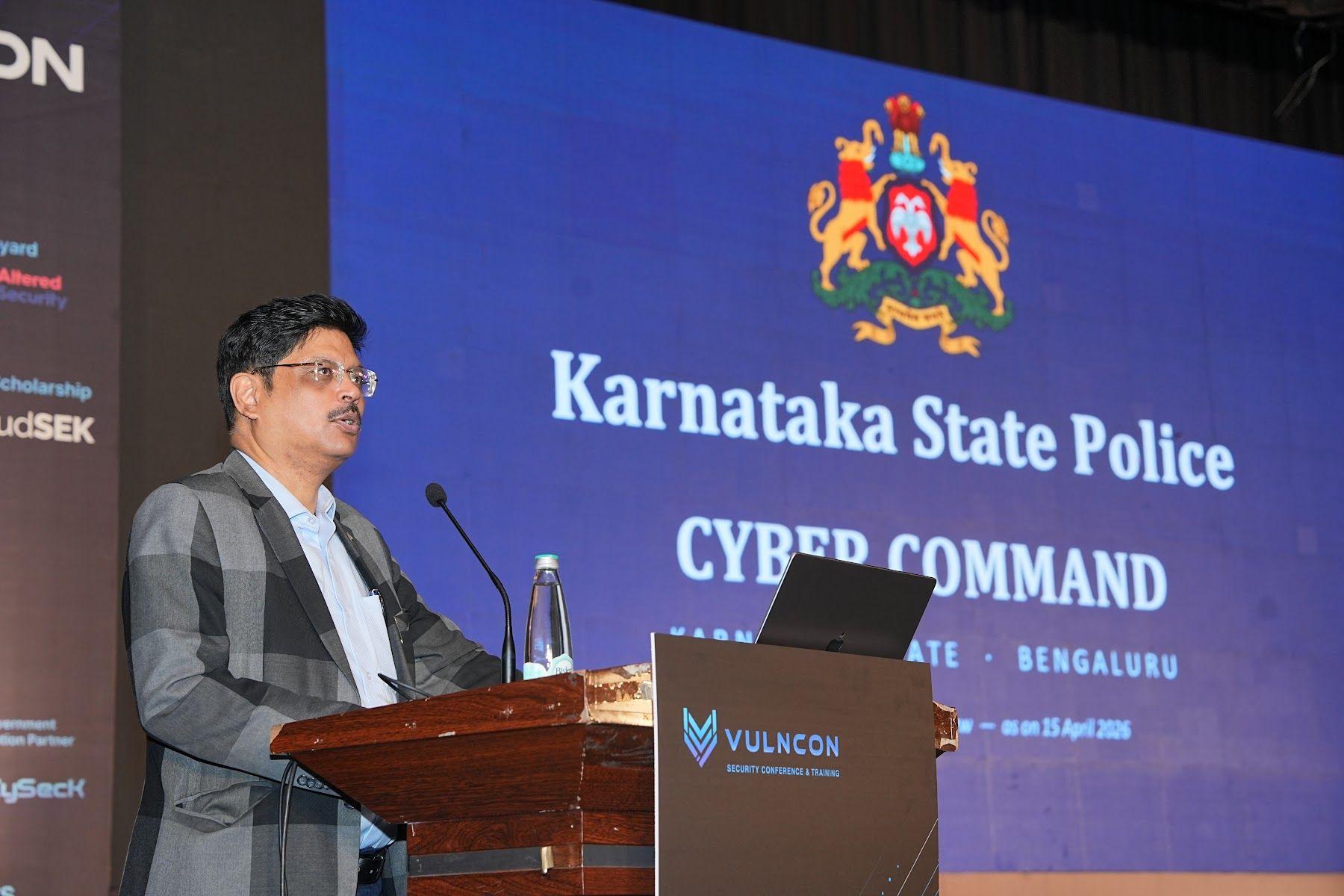
05Opening address 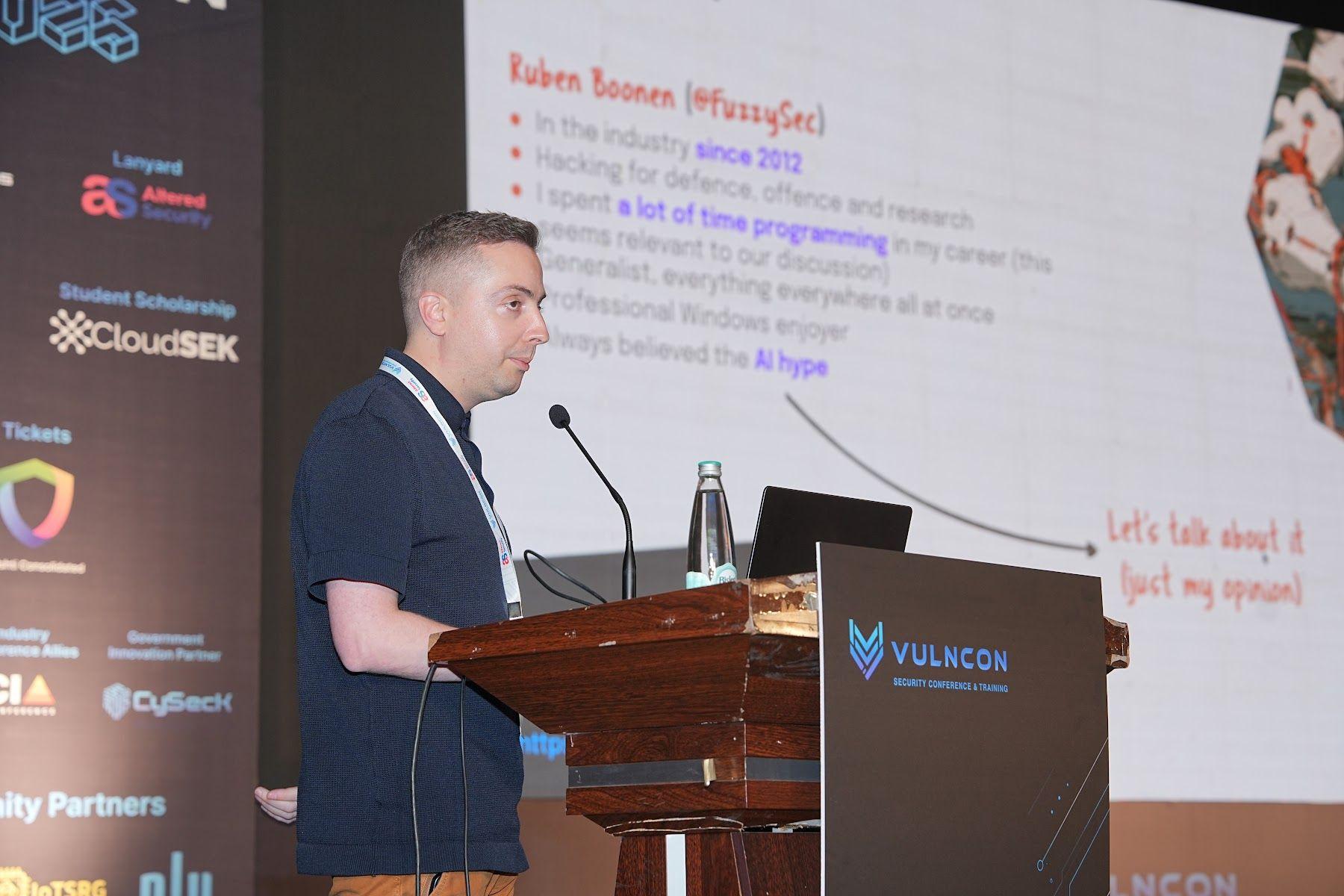
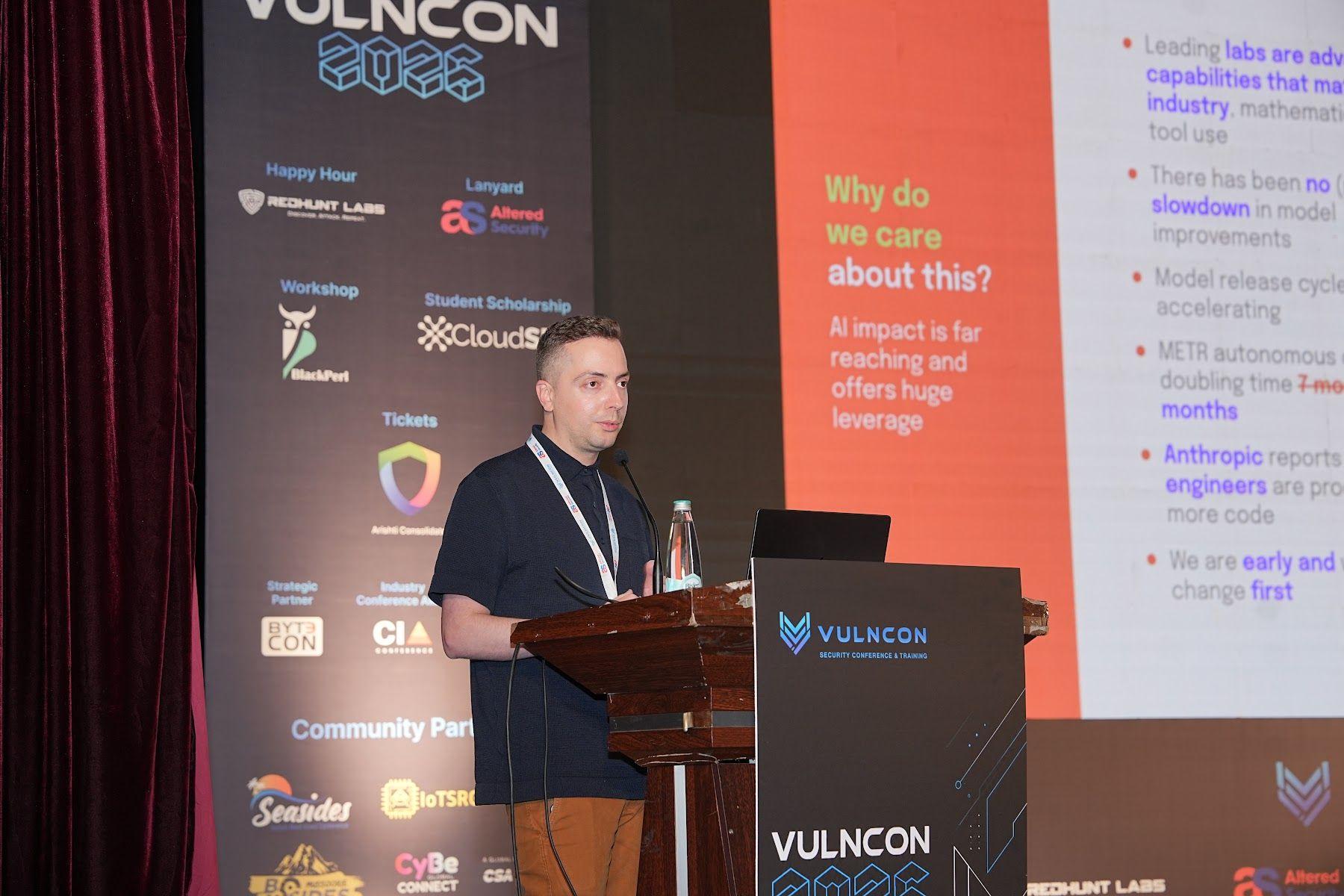
06Keynote · Ruben Boonen 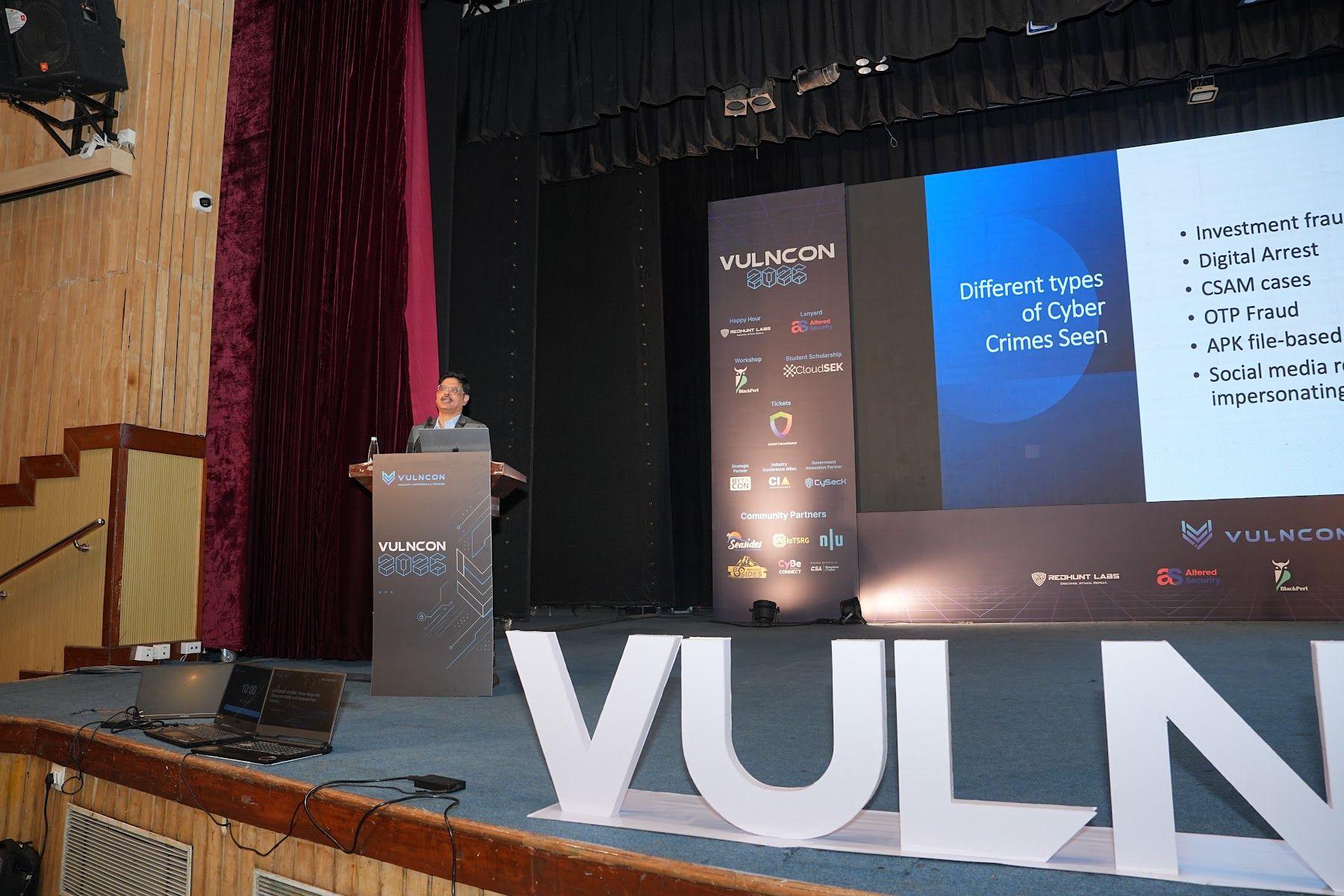
07Main Stage 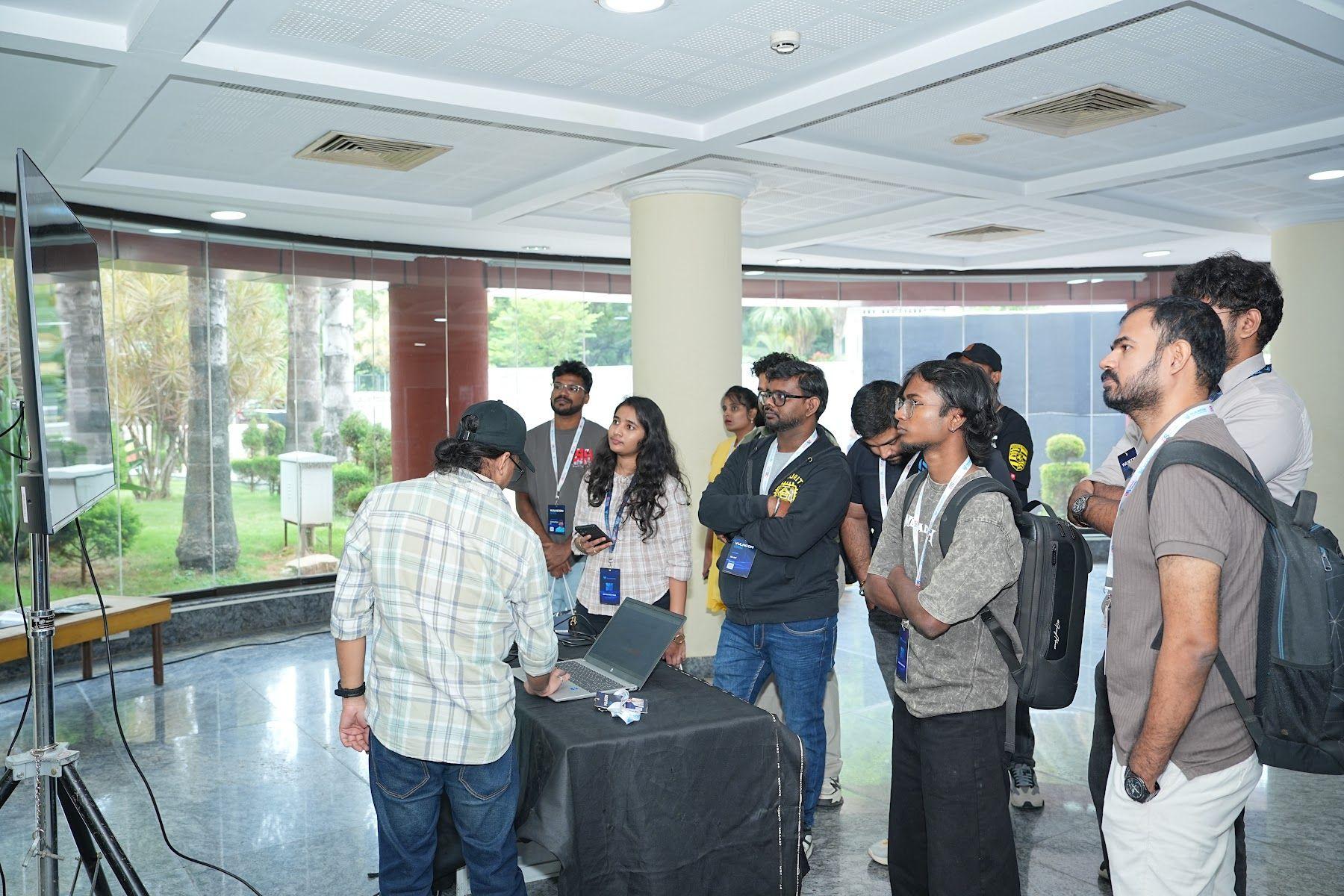
08Arsenal · open lobby 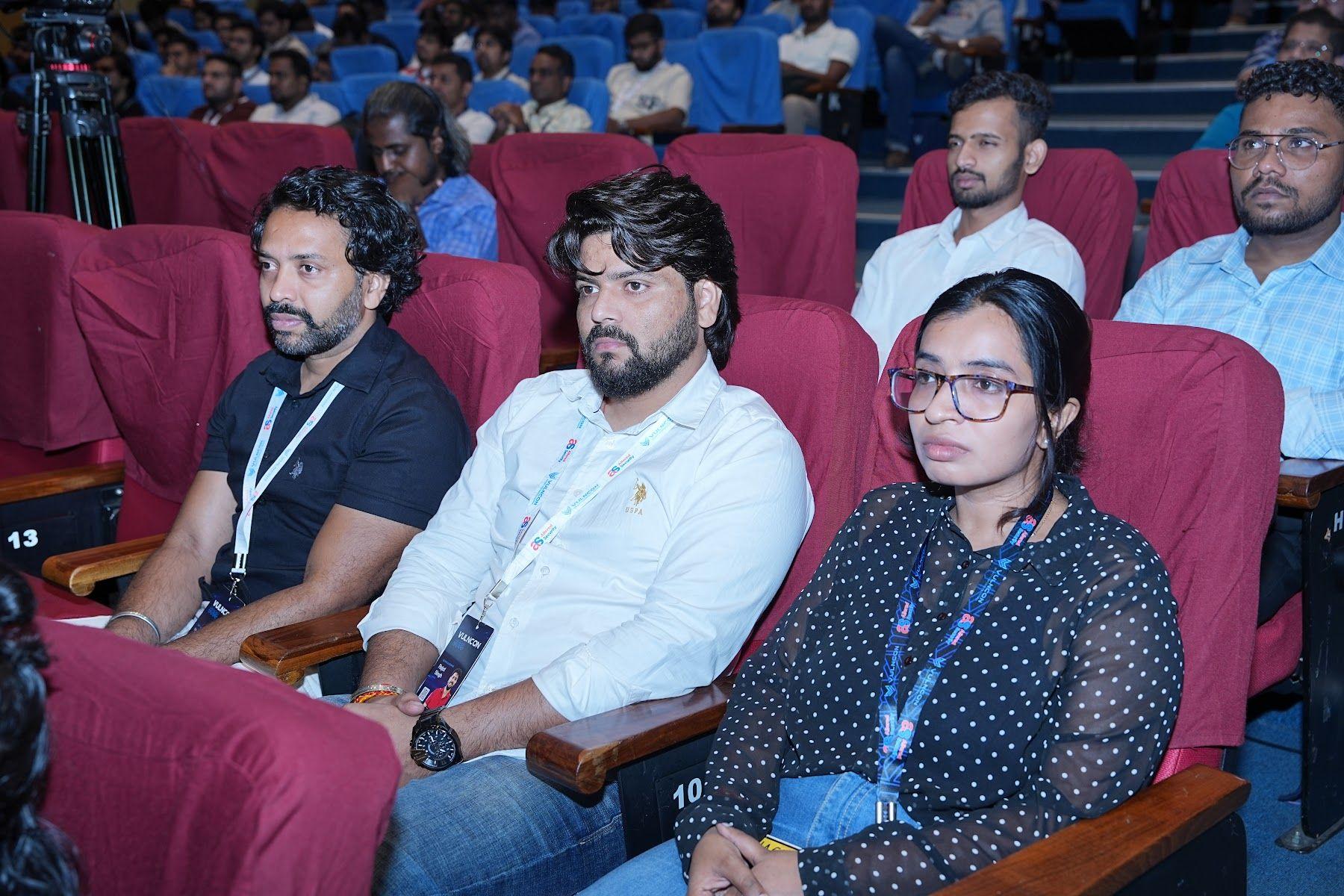
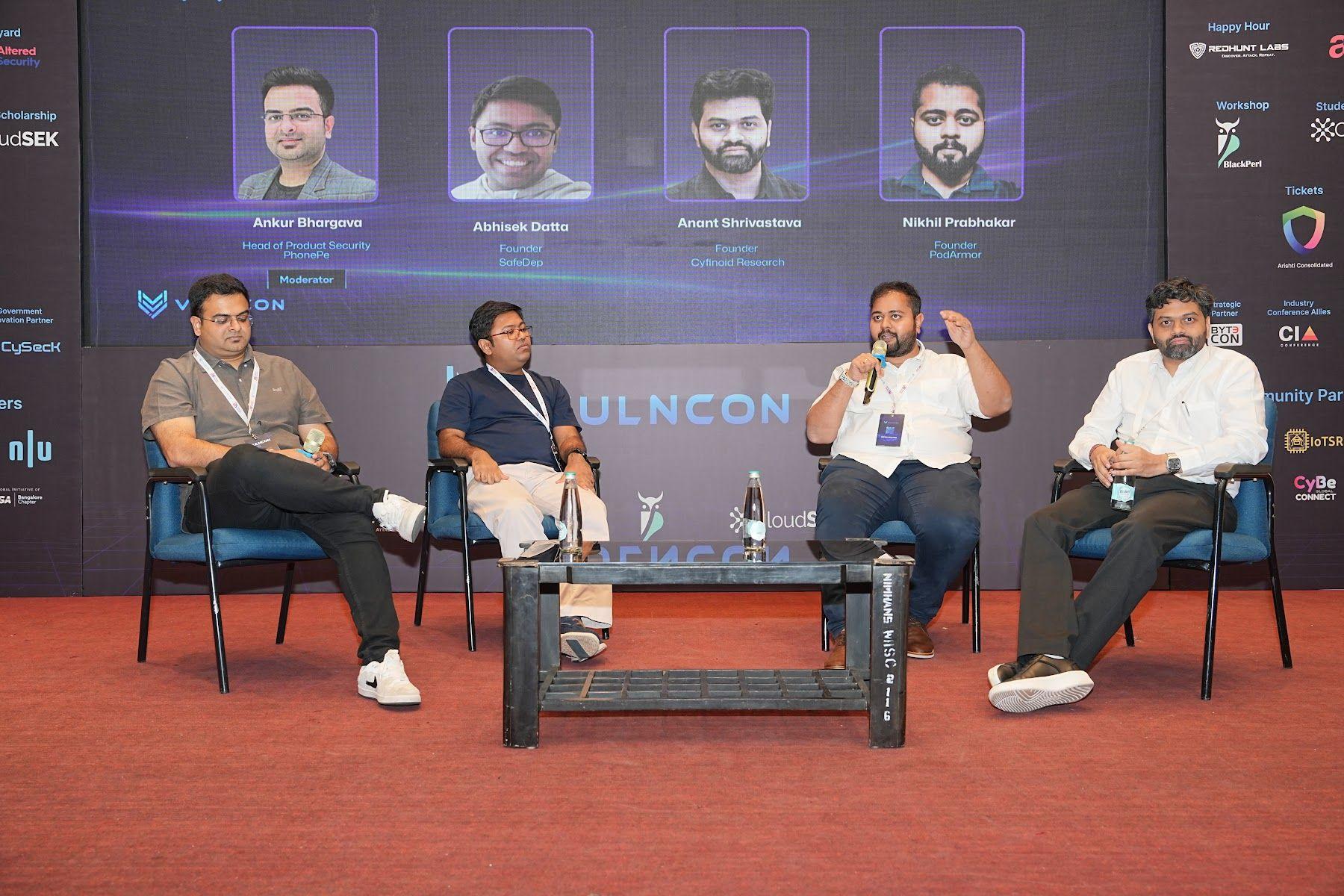
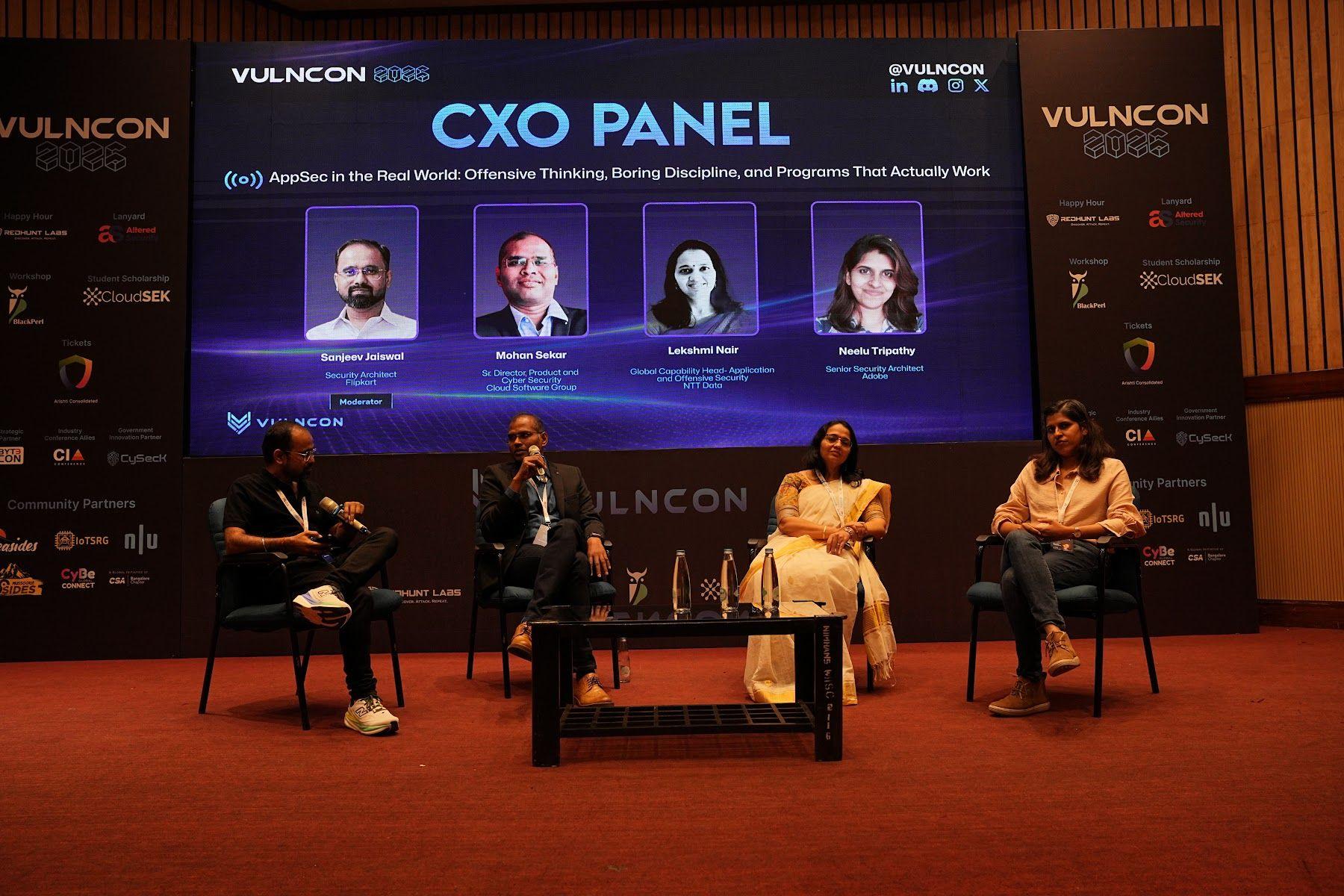
09CxO track 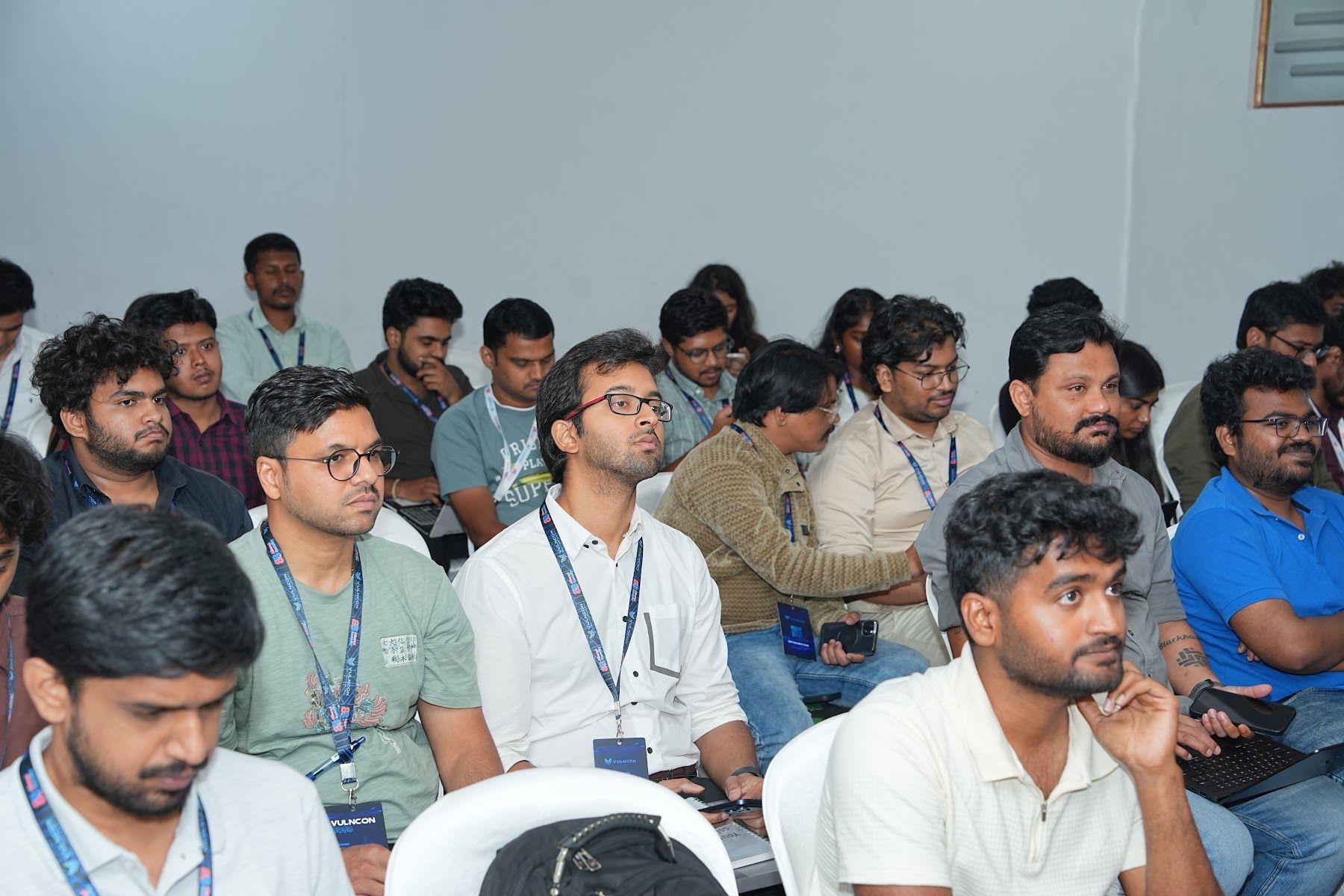
10AI Security Village 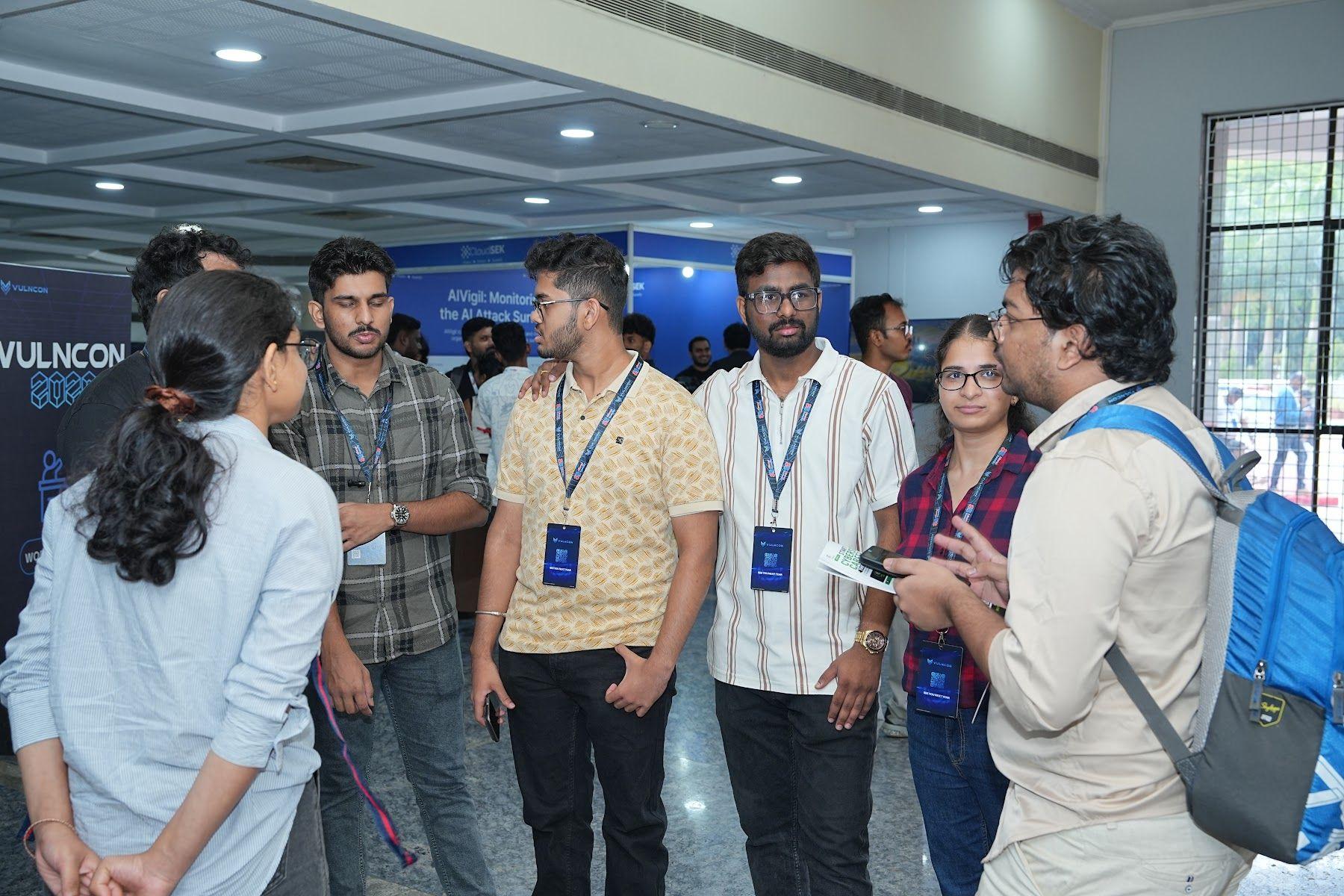
11Between sessions 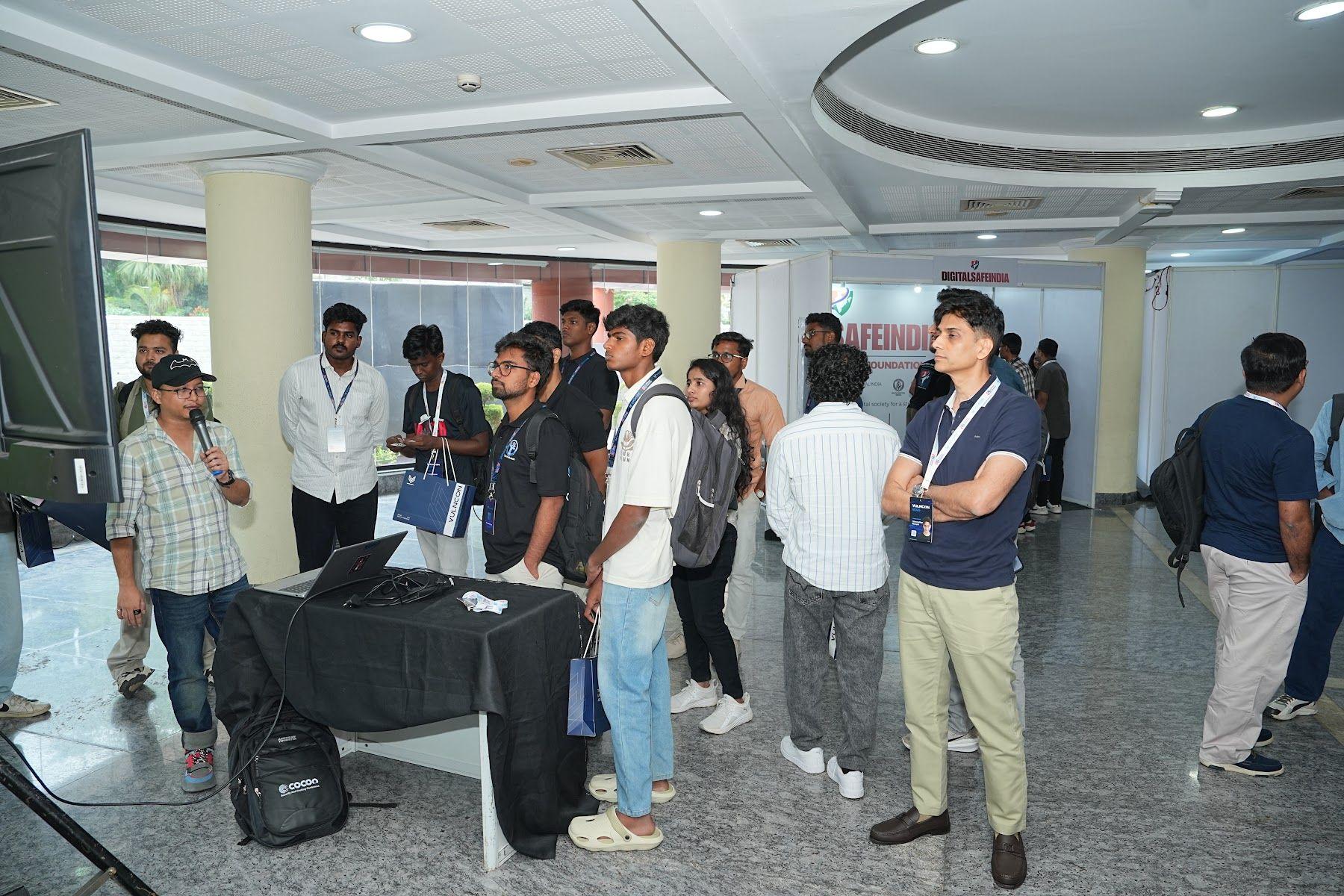
12Hallway track 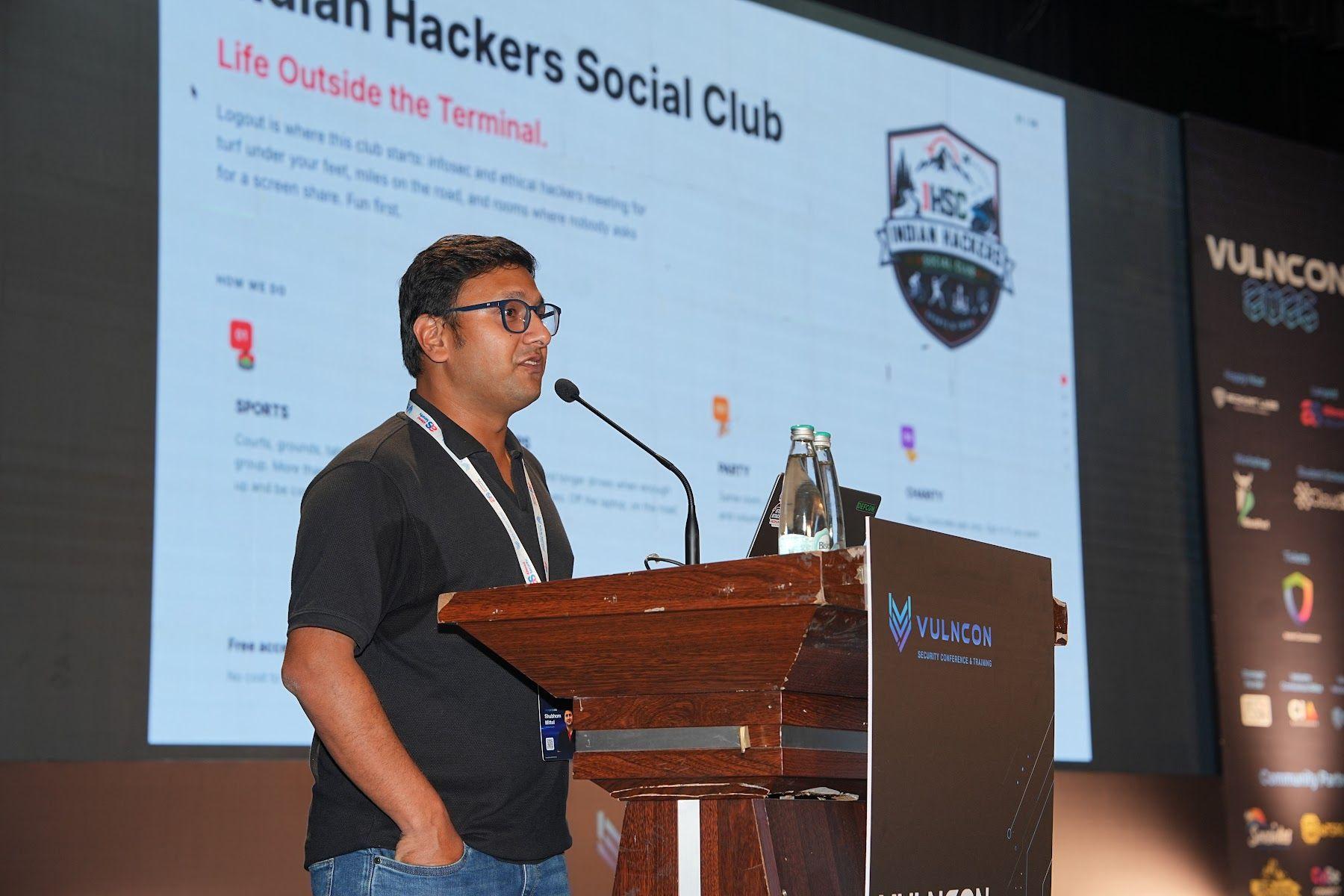
13Main Stage · Day 2 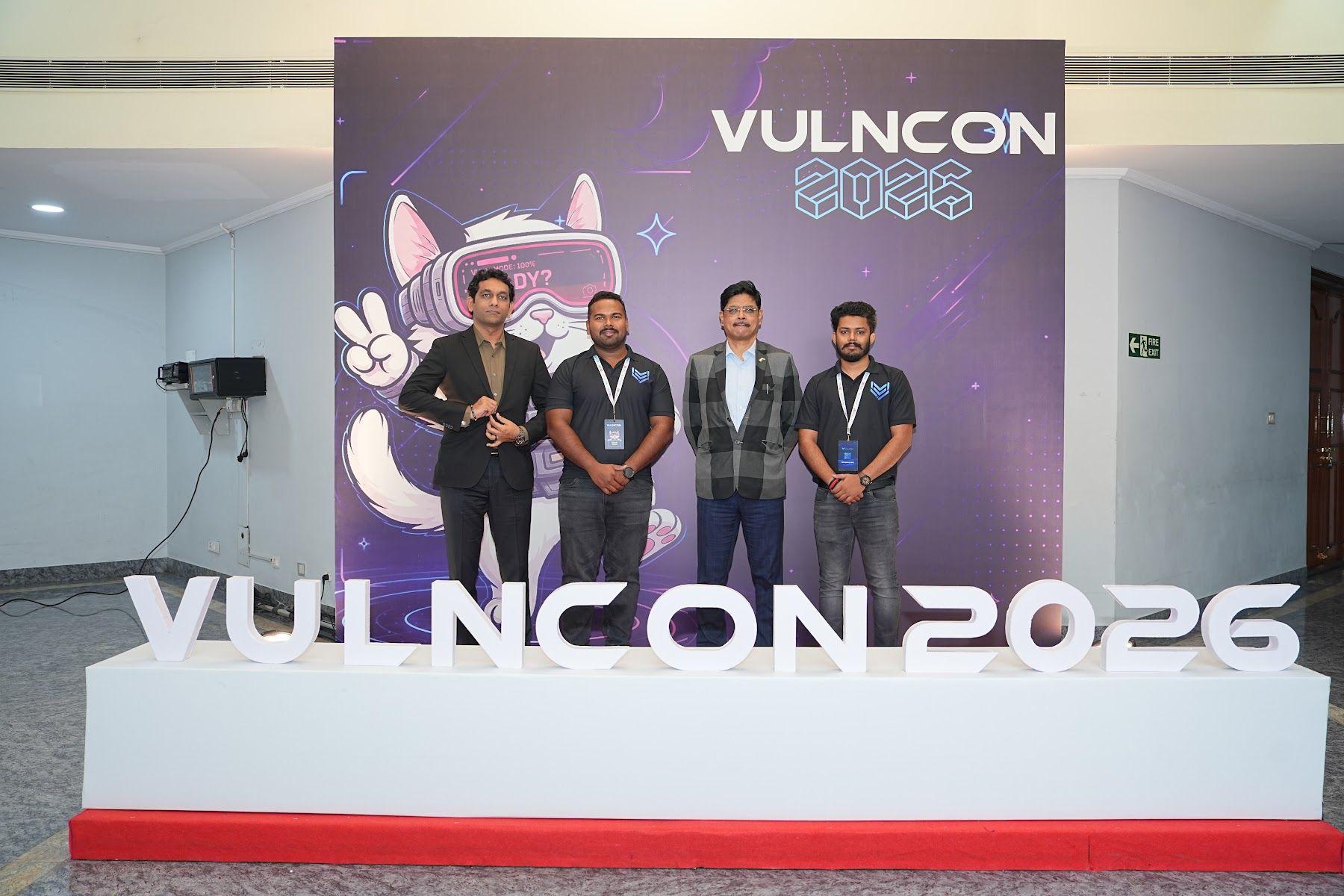
14Photo wall 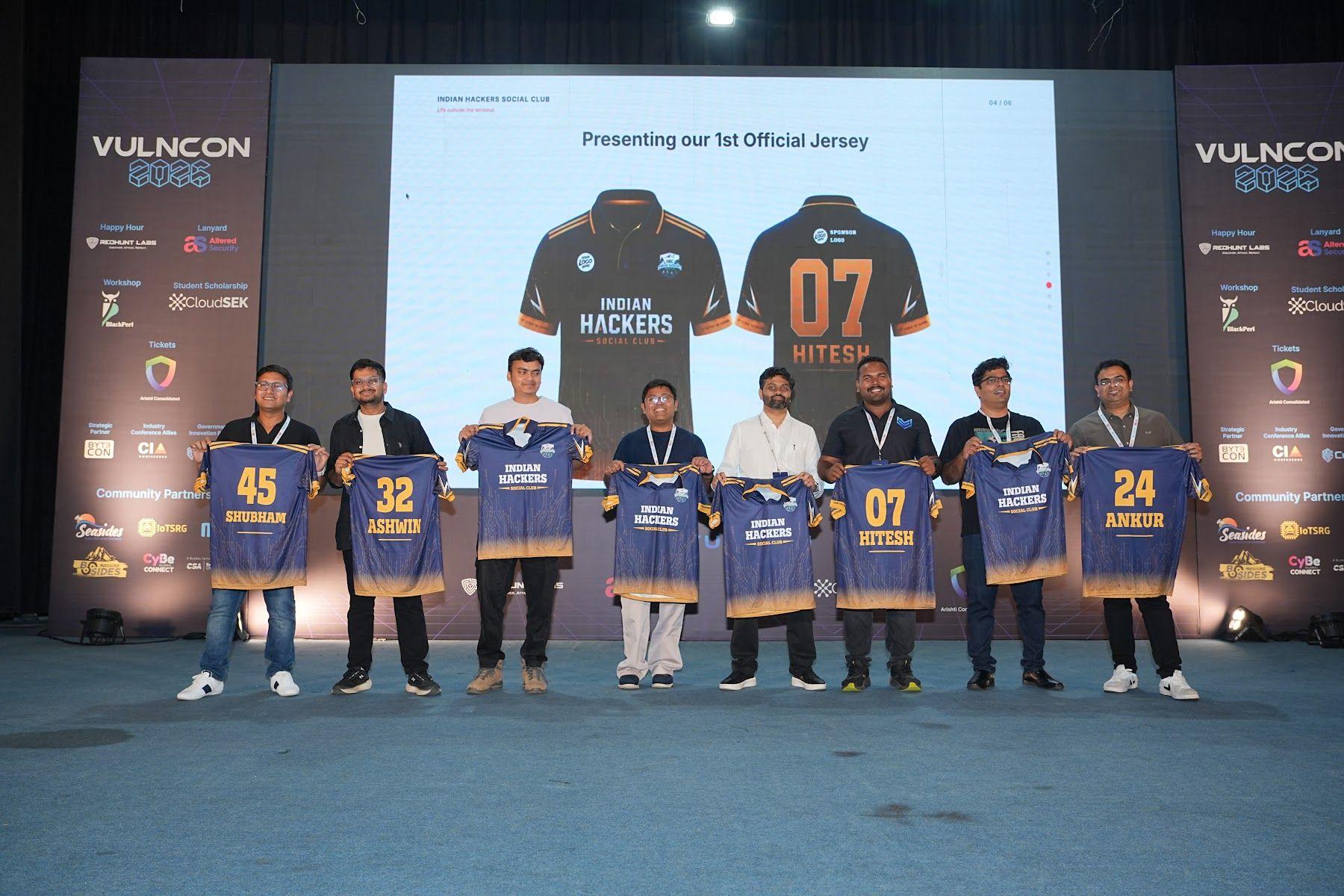
15Jersey reveal 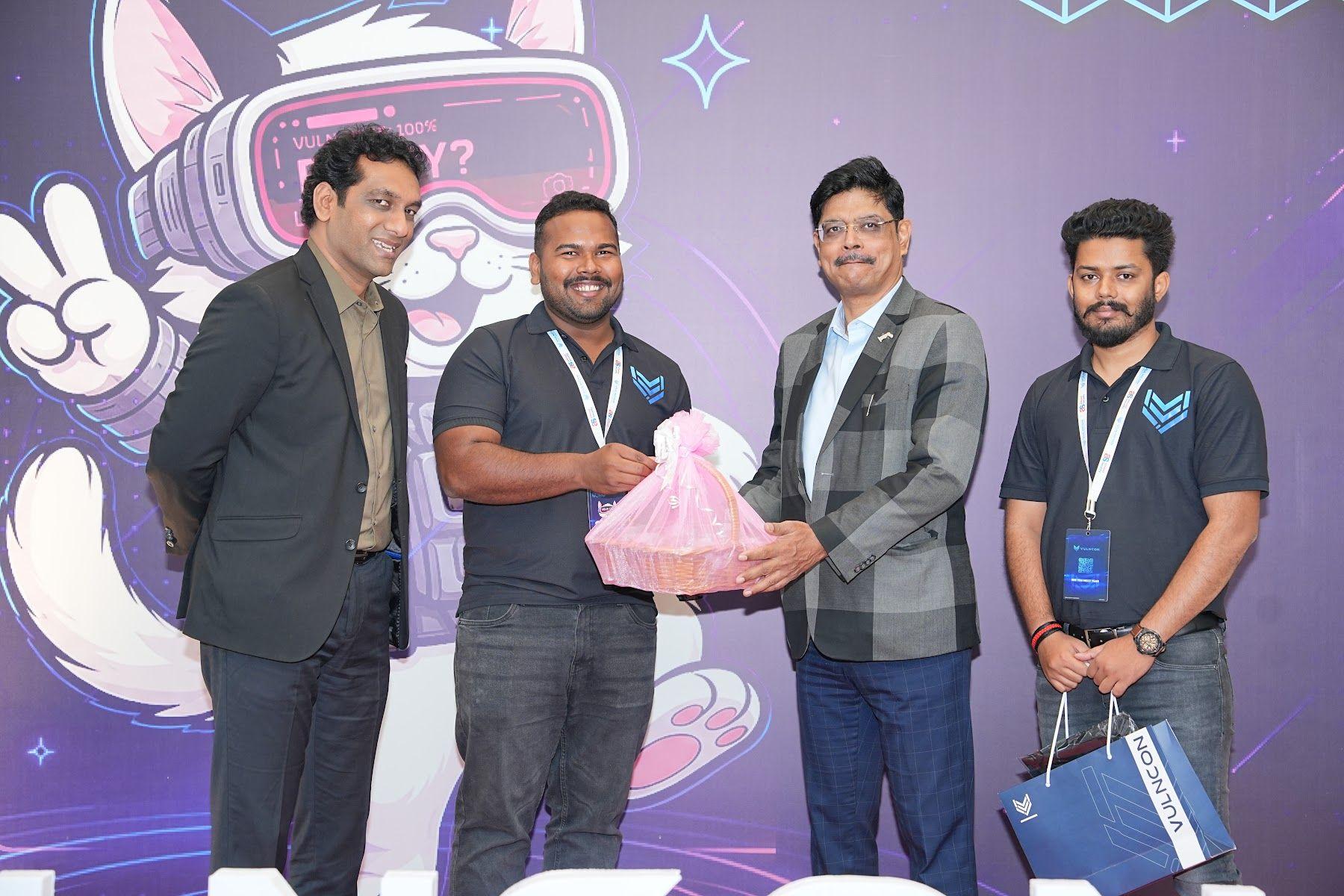
16Felicitation 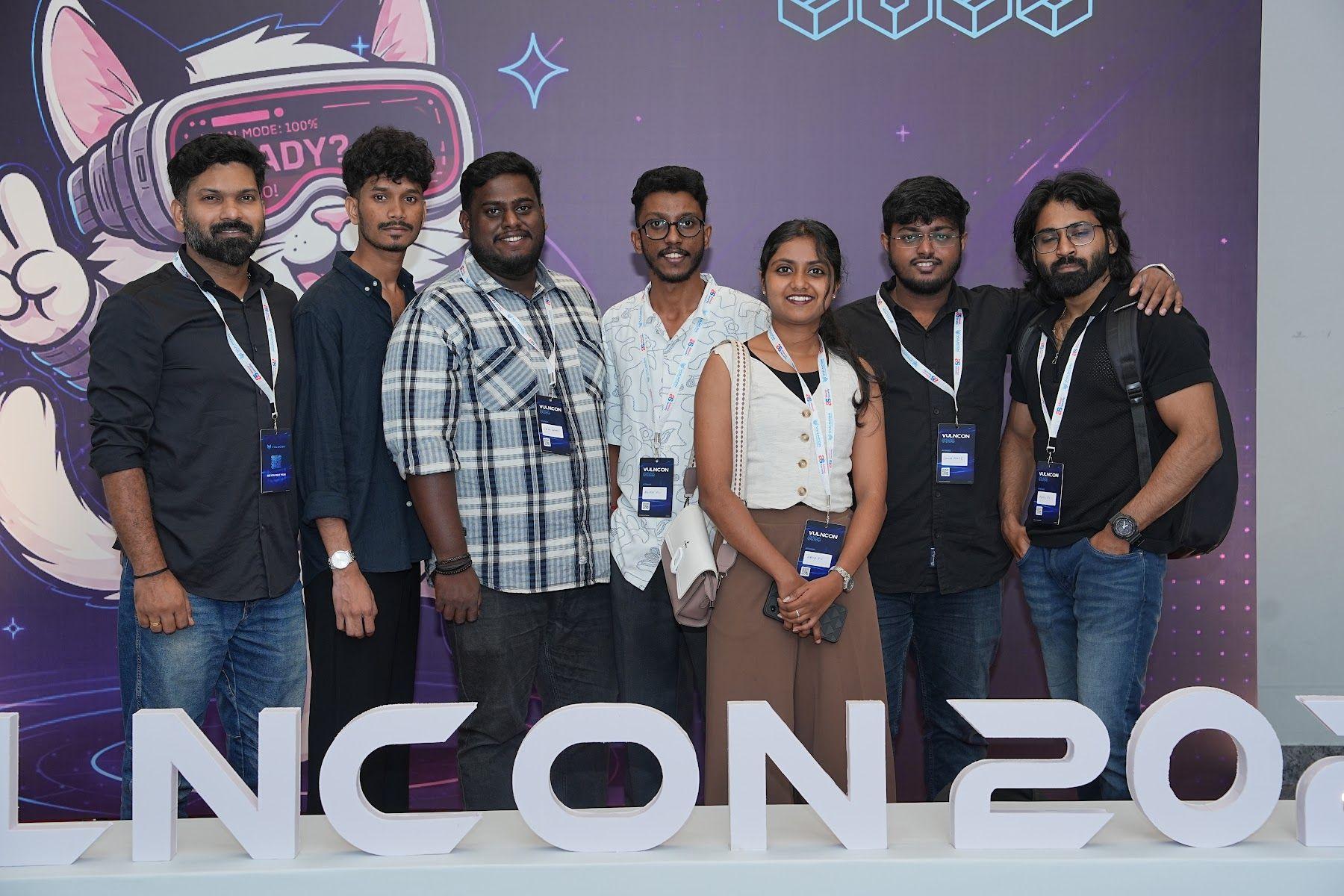
17Community 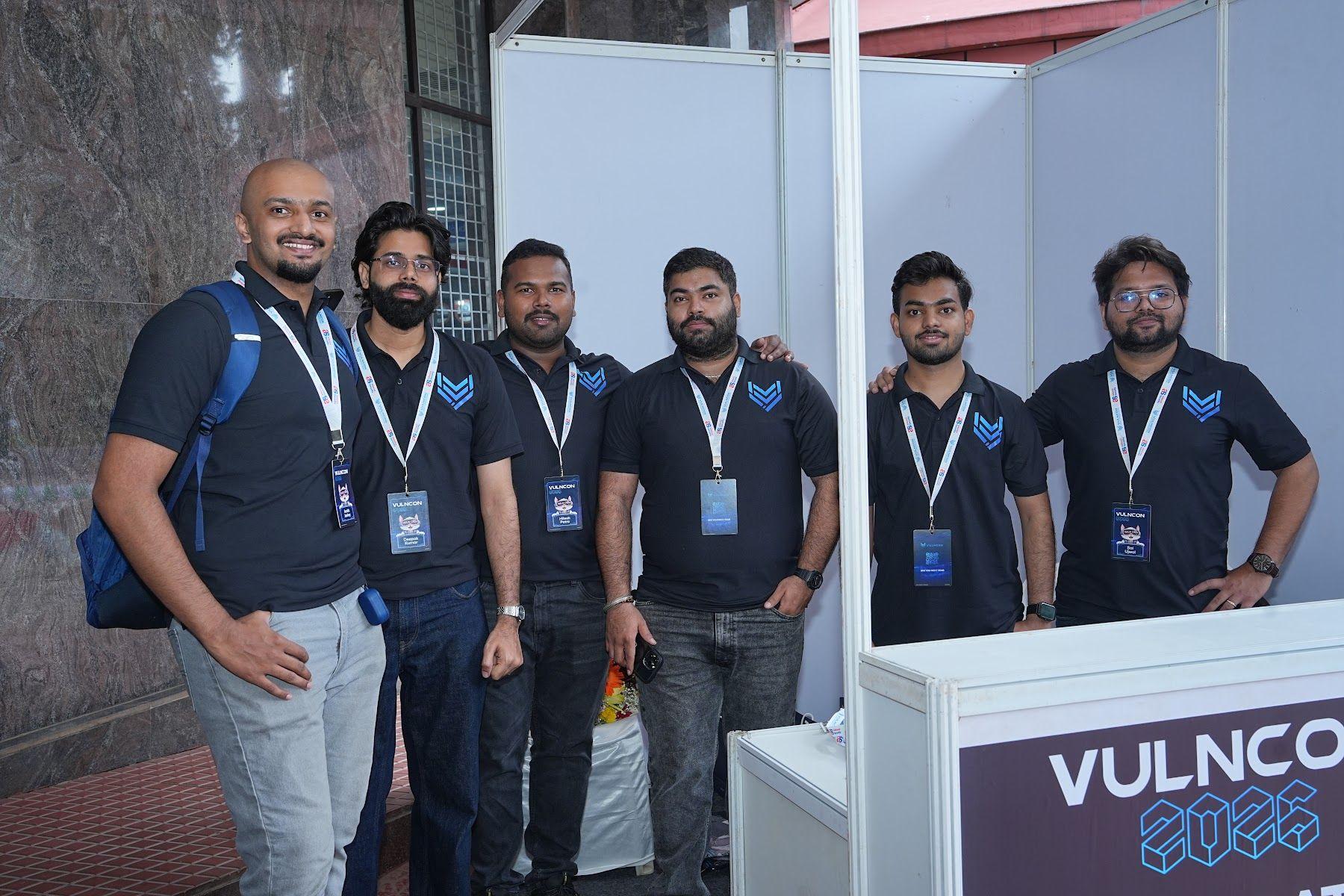
18The crew
04 — CxO Bytes
Bytes from the CxO track.
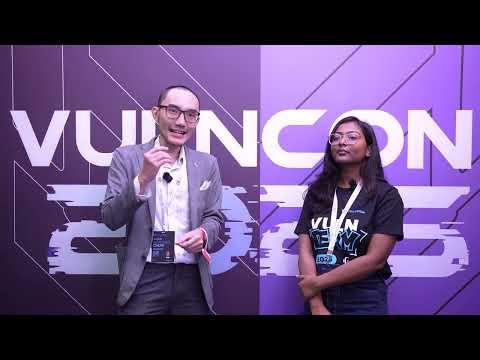 ▶ Watch(opens YouTube in a new tab)Donavan CheahSr Cybersecurity Consultant @ Thales
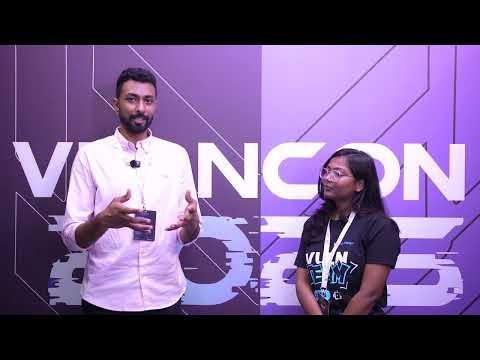 ▶ Watch(opens YouTube in a new tab)Ashwin PandianAssociate Vice President @ Z47
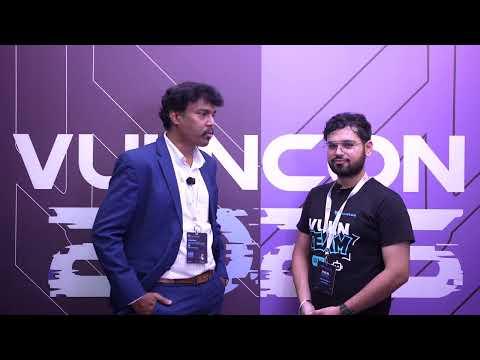 ▶ Watch(opens YouTube in a new tab)Navaneethan MChairman, CXOCywayz
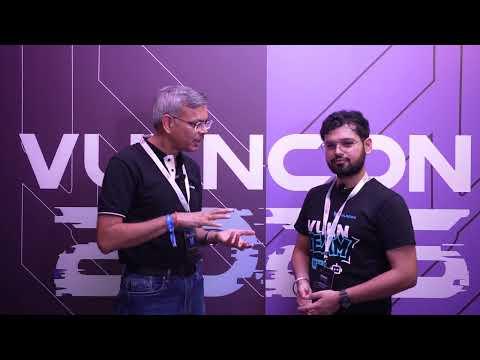 ▶ Watch(opens YouTube in a new tab)Kamal SharmaCo-Founder @ AuthenticOne
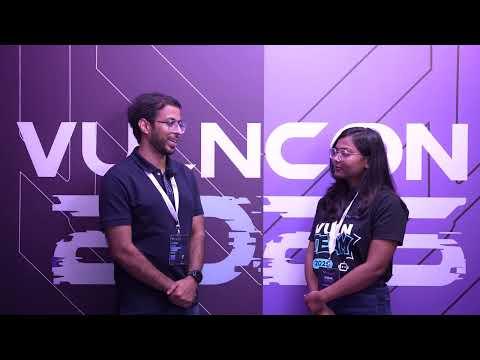 ▶ Watch(opens YouTube in a new tab)Syed ShahrukhCo-Founder @ CloudSEK
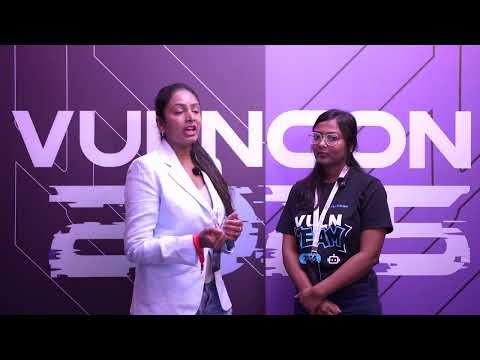 ▶ Watch(opens YouTube in a new tab)Ashwini SiddhiWomen Tech Leader
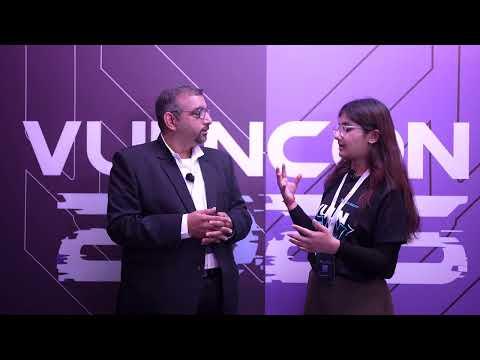 ▶ Watch(opens YouTube in a new tab)Muslim KoserVice President, Engineering - EASM @ Fortinet
05 — Partners
Put your team where the community is.
Sponsor slots are tied to real moments — lanyards, workshops, happy hour, tickets, student scholarships — so your name sits next to something attendees actually use.
 HackerOne2020 · 2021
 Hack The Box2020 · 2021 · 2024
 OffSec2020 · 2021 · 2024 · 2025
 Altered Security2024 · 2025 · 2026
 CloudSEK2024 · 2025 · 2026
 Red Hunt Labs2025 · 2026
 Black Perl2025 · 2026
 Arishti2025 · 2026
 Google Cloud2020
 Bugcrowd2020 · 2021
 CompTIA2020
 Hacker Associate2024
 Spyse2020
 DigitalOcean2021
 YesWeHack2021
 Burp Bounty2021
 CyberXplore2021
 SecureLayer72024
 Resecurity2024
 Equifense2024
 Oneable2024
 Secnora2024
 WKL2024 · 2025
 Astra Security2025
 Bugzidna Labs2025
 Intact IT · Sitewall2025
Sponsors, 2020 – 2026 · community partners listed on each edition page

Next edition — dates to be announced.
CFP is officially open. Submit your research or tool demo →
Sign up below for ticket drops and schedule alerts.
Two emails a year: CFP open, tickets live.